Every artist, producer, and songwriter works differently. To match those individual creative workflows, Spaces in Google Flow Music lets creators build custom instruments or effects using natural language — no coding experience required.
Producers can now export their custom Spaces as VST3/AU plugins to run inside their Digital Audio Workstations (DAWs), bringing these capabilities directly into professional production setups. This allows producers to build tools tailored to their processes and styles within their familiar workflows.
Producer Khris Riddick-Tynes created a plugin called...
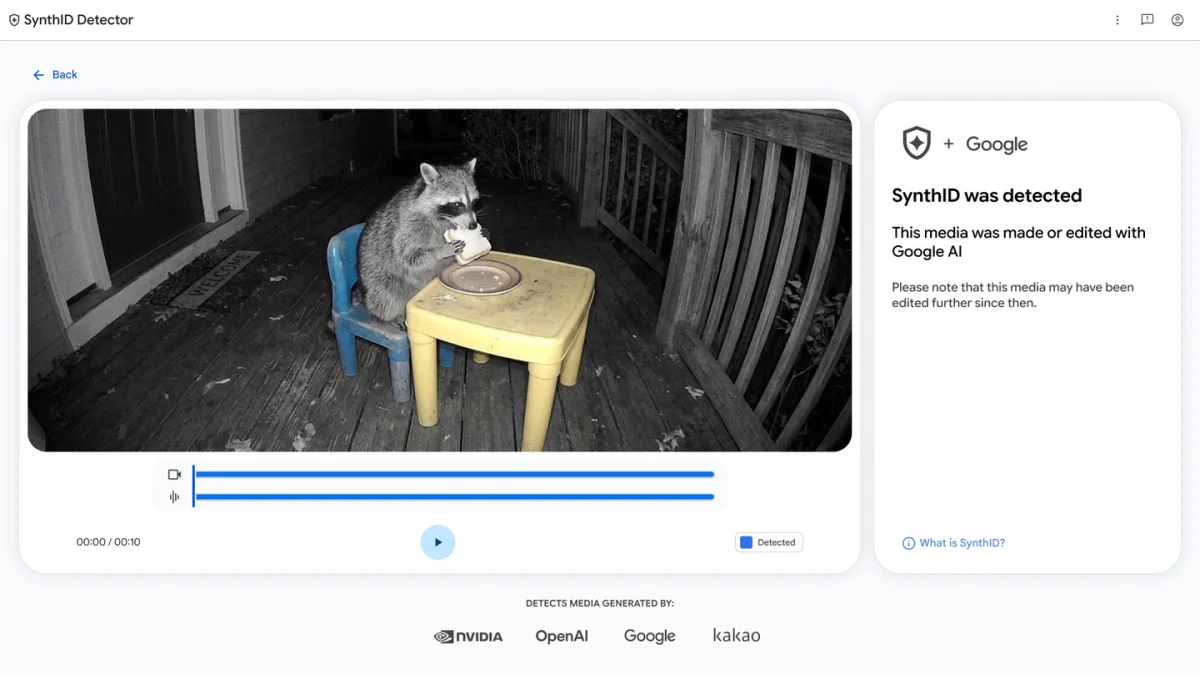
As AI tools become better and easier to use, having clear context about the content you encounter online helps you make informed decisions about what to trust. Since launching Google SynthID in 2023, we've helped people identify AI-generated media using imperceptible watermarks across images, video, and audio. To date, we've watermarked over 180 billion images and videos, along with 240,000 years of audio content.
Last year, we introduced an early version of the SynthID Detector to help media professionals verify AI-generated content. Now, we're expanding access globally with the tool...
Arabic is really a family of languages living under one name. Modern Standard Arabic is what you read in the news or a textbook, but it's rarely how people actually talk to each other. In the UAE, day-to-day conversation, humor, negotiation, and storytelling happen in Emirati Arabic, a Gulf dialect with its own vocabulary, its own rhythm, and a culture wrapped tightly around it. Emirati poetry, especially nabati poetry, along with proverbs and short anecdotes, carries meaning that doesn't survive a literal, word-for-word reading. A model that only knows MSA can translate every word of an...
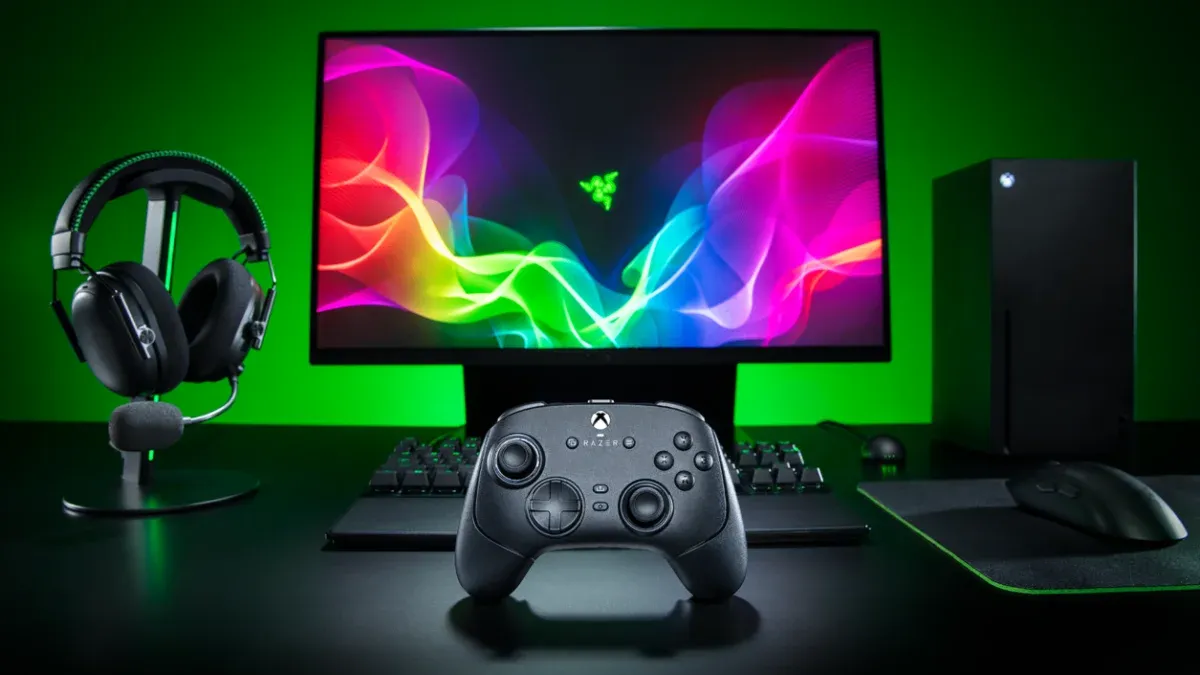
Razer announced the Wolverine V4 line, including the wireless Razer Wolverine V4 Pro and wired Razer Wolverine V4 Tournament Edition, the next generation of esports controllers officially designed for Xbox and PC.
The Wolverine V4 Pro is equipped with high-resolution capacitive thumbstick sensors, four newly designed magnetic swappable back buttons, a removable faceplate, and up to 8,000 Hz polling rate. The new capacitive sensors represent the next evolution of contactless sensor design, offering superior resolution, power efficiency, and resistance to magnetic interference compared to TMR...
The way developers arrive at the Unity Engine has changed faster this year than expected, with a growing number now describing a game they want to create to a coding agent rather than downloading the engine manually. When you ask an agent to help build a game today, it picks an engine for you—typically something it can install, run, and share within the same session.
At Unite Seoul, Unity launched the Unity CLI so developers could point their preferred coding agent at the Unity Engine. Today, Unity is continuing that evolution with the official Unity Plugin for Claude Code, a first-party...
GIGABYTE announced its AORUS ELITE Series monitor lineup, combining next-generation Tandem OLED technology with the world's first 5K Multi Mode Mini LED glossy gaming monitor across 27 to 32-inch models. The series integrates premium visual quality, exclusive Tactical Features, and intelligent panel protection for performance and productivity use.
The flagship is the world's first 27-inch 5K Mini LED glossy gaming monitor, delivering Retina-level 218 PPI clarity backed by 2,304-zone local dimming for precise contrast control. Multi-Mode support enables seamless switching across 5K 165Hz, 4K...
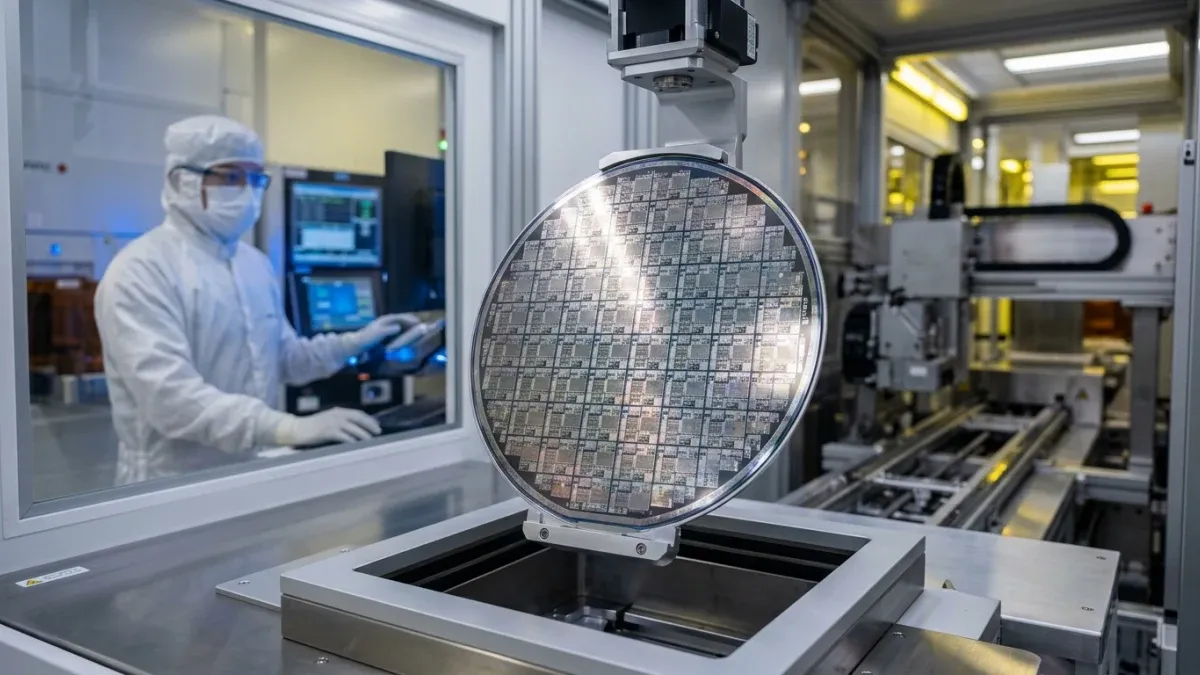
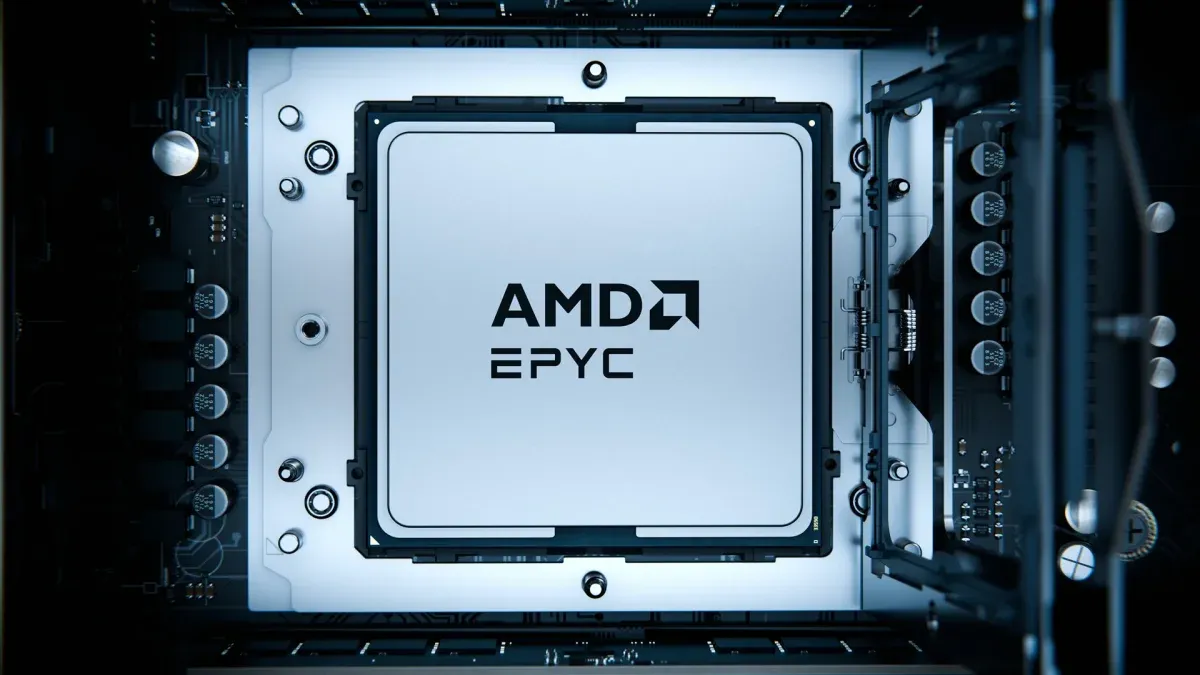
AMD announced that its next-generation EPYC processor, codenamed “Venice,” is ramping production in Taiwan on TSMC's advanced 2nm process technology, with future plans to ramp production at TSMC's Arizona fabrication facility. “Venice” is the first high-performance computing product in the industry to enter production on TSMC's 2nm process.
The milestone reflects AMD's execution of its data center CPU roadmap and demonstrates progress toward delivering leadership performance and energy efficiency for next-generation cloud, enterprise, and AI infrastructure.
Ramping...
Server consolidation is a material project for IT organizations managing data center infrastructure. The objective is straightforward: move workloads from older, less-efficient systems onto fewer, more capable servers without sacrificing performance or disrupting critical applications.
Done well, consolidation improves the economics of the server estate. It can free rack space and power, reduce per-core software licensing costs, and create headroom for future growth—whether the next priority is expanding business applications, analytics, or AI.
AMD EPYC Built for Efficiency
Effective...
Over the last few weeks, Unity announced the launch of the Unity CLI followed by the official Unity Plugin, supporting the idea that Unity should meet developers in the tools they've already chosen and in the places where they work. With 3 billion Unity-powered games downloaded monthly, the CLI and plugins now sit inside the agents where a growing number of developers start projects. Game development is increasingly beginning in a terminal with an agent already open rather than in a browser on a download page.
Unity's goal is to make the creation experience better and easier. The company...