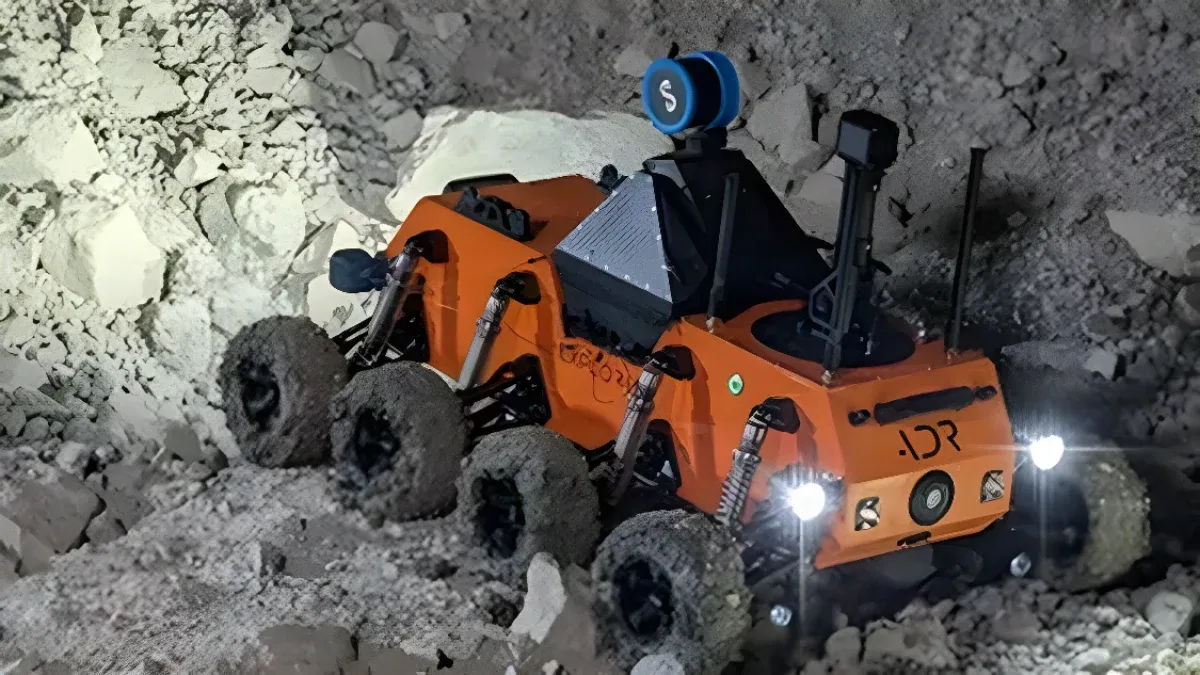
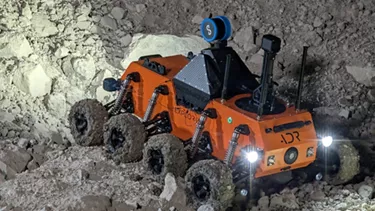
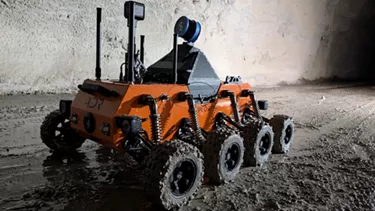
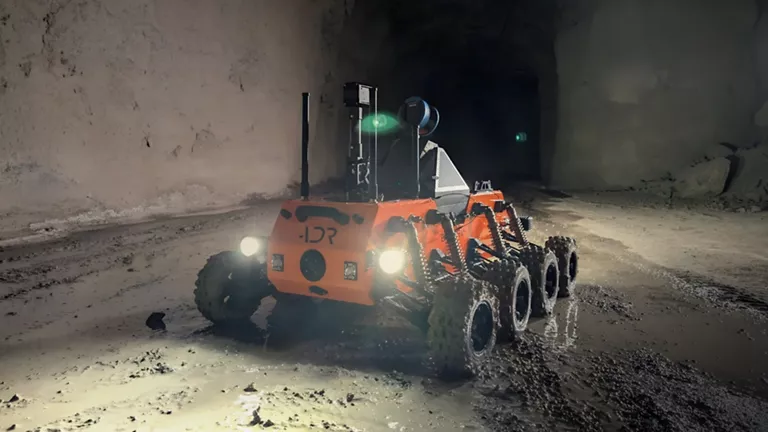
ADR, an Australian robotics company, is using Intel Xeon processors, Intel Core Ultra and Intel OpenVINO on its Explora system to analyze 3D LiDAR data, thermal and visible light images, gas levels and other critical data in real time inside hazardous underground mines. Underground mining operations also require lengthy, mandatory geotechnical and safety inspections, which can require machinery to shut down for over 110 hours per month, with operational costs of over $50,000 per week.
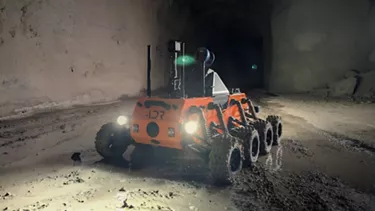
Each autonomous, remote-controlled rover mapped the mine while a human operator stayed a safe distance away.
Key Features at a Glance
- Rover weight and runtime: About 26 kg (57 lbs), rated to run for up to 12 hours – light enough to map a clear path through deep, hostile tunnels.
- Wireless data relay: Sensor data is sent to a human controller a safe distance away – no tradeoff between worker safety and high-risk data gathering.
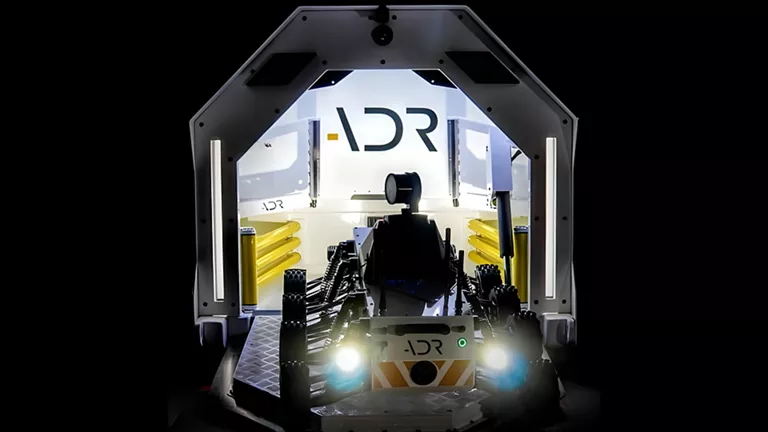
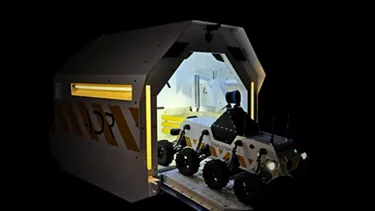
- ADR Docking Station: A 460 kg (1,016 lbs) permanent underground enclosure connected to the mine's power and network – it houses the rover's maintenance cycle.
- Automated air-blast cleaning: A pneumatic system cleans the rover's sensor glass and dirt-caked wheels – keeping sensors accurate without manual intervention.
- Wireless inductive charging: Recharges the rover without mechanical contact pins – avoiding corrosion in wet, highly acidic mine environments.
- Freed CPU capacity: Point-cloud compression cost was lowered enough to free over 50% of onboard CPU capacity – room to run OpenVINO AI models such as rock fragmentation analysis, brow wear measurement and blast misfire detection without secondary computing hardware.
- Internal benchmarks: ADR reports 2X encoder resolution, 1.5X faster overall system speedup and 40% improvement in edge AI headroom – gains that come from compute density per watt across the CPU, integrated Arc GPU and NPU.
ADR is using Intel® Xeon™ processors, Intel® Core™ Ultra and Intel® OpenVINO™ tech on its Explora System to analyze 3D LiDAR data, thermal
Availability
The next version of the Explora system, featuring Intel Core Ultra Series 3 CPUs, will roll out over the next 12 months to all existing ADR customers as part of its standard system upgrade process.