Apple adds Touch and OLED to MacBook Pro
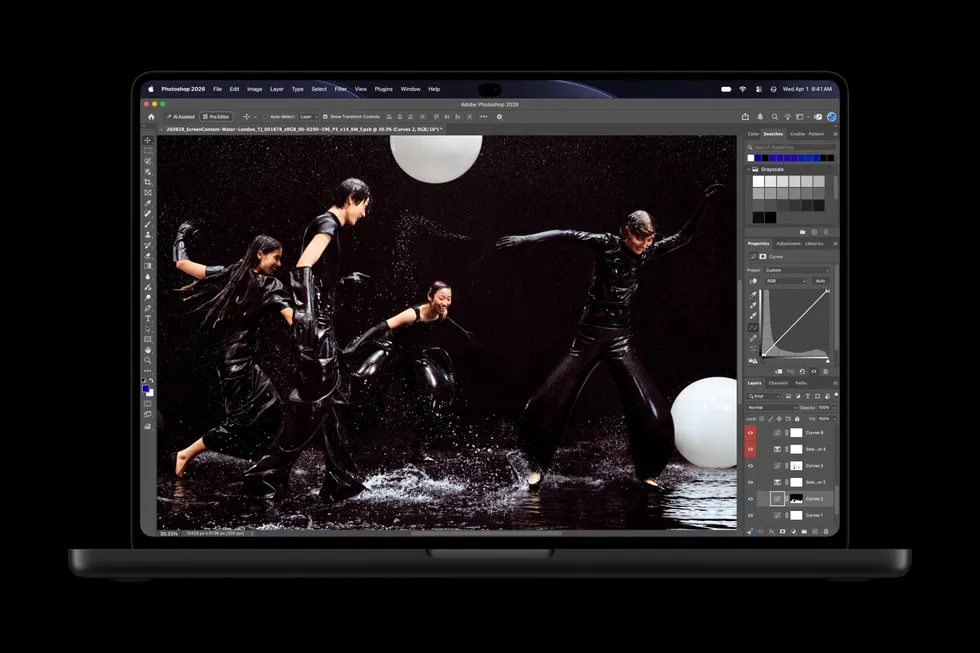
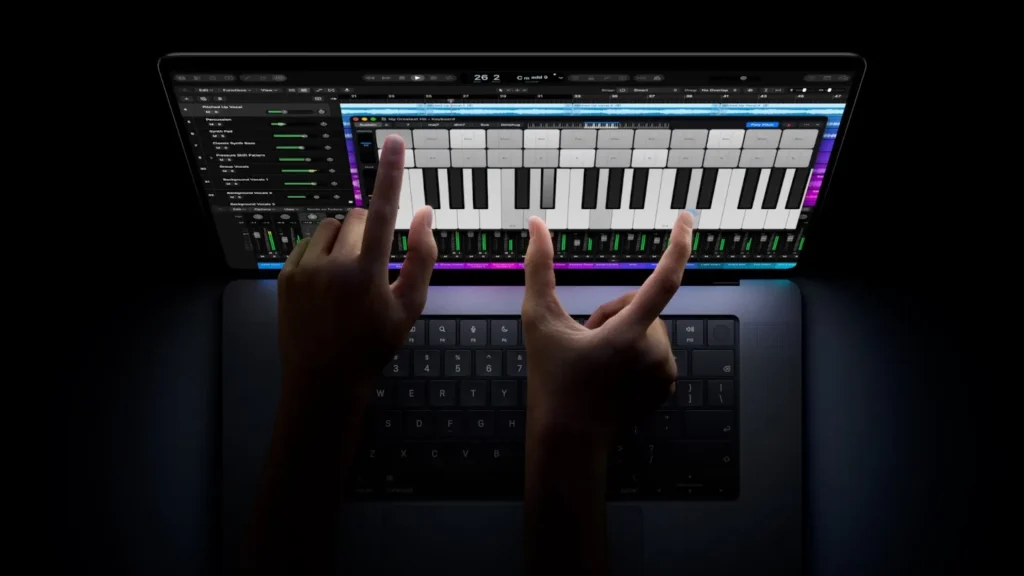
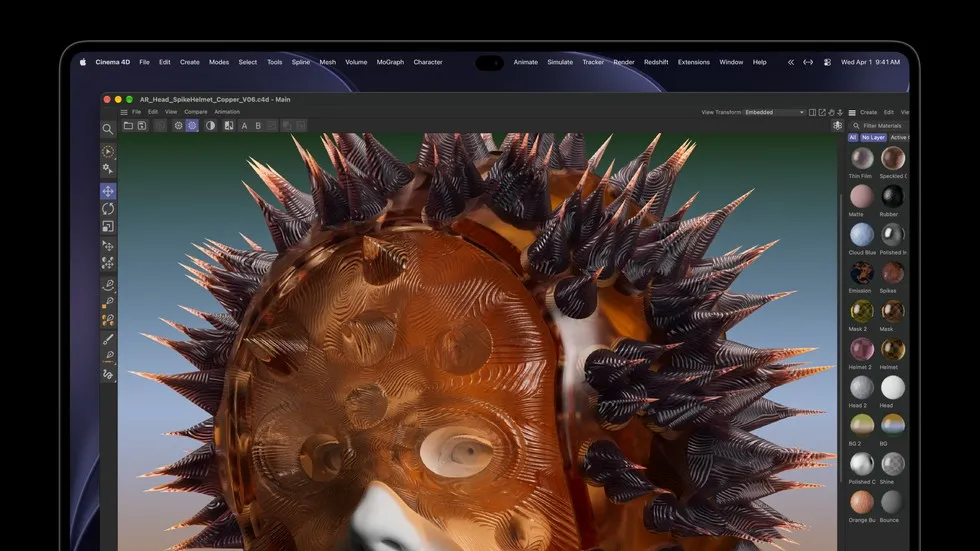
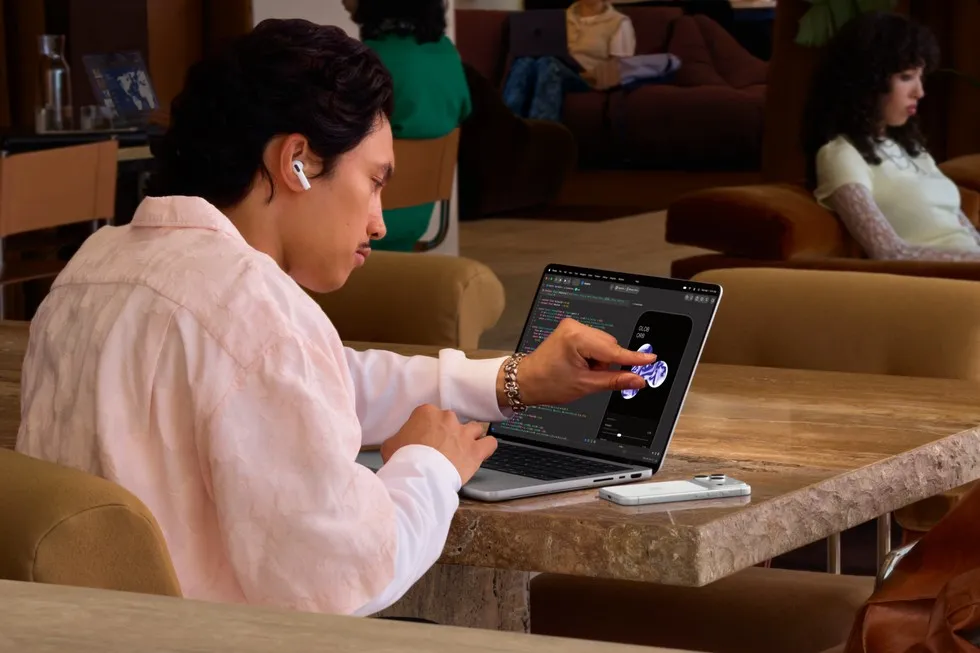
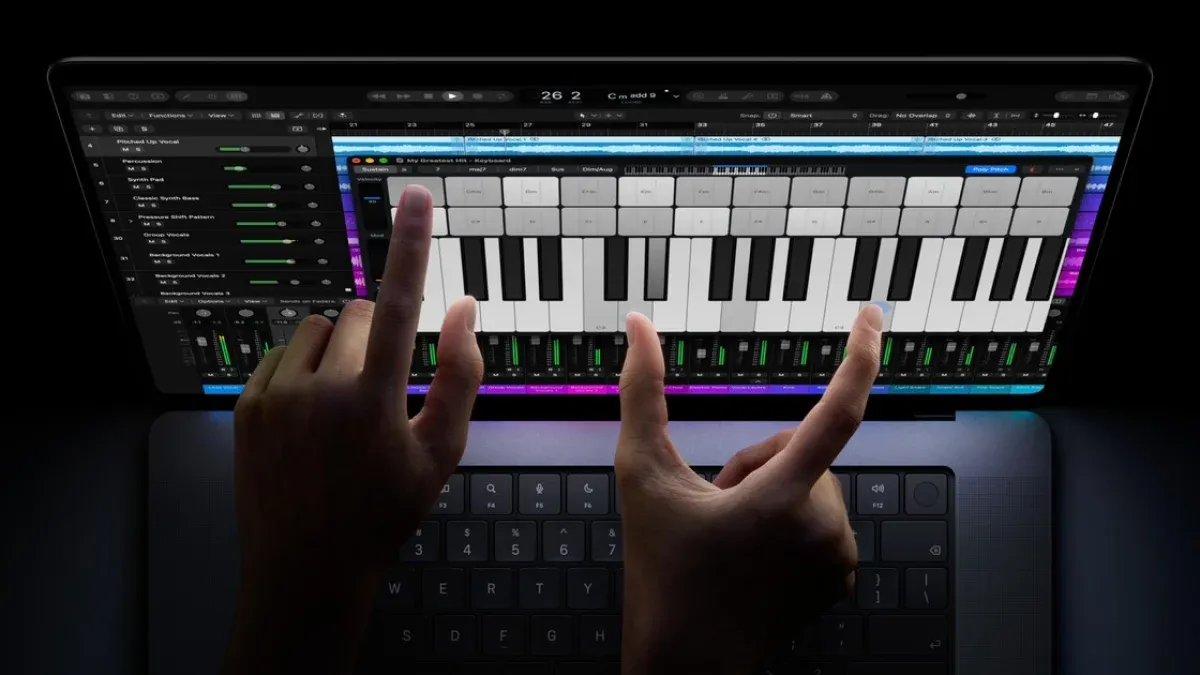
Apple has unveiled the MacBook Pro with PROLED XDR Display, a 14- and 16-inch laptop built on tandem OLED technology. It delivers up to 2000 nits of peak HDR and SDR brightness and a 10,000,000:1 contrast ratio. It also brings Touch to the Mac for the first time, letting pros interact with their content directly on the screen, from manipulating 3D models to playing musical instruments onscreen.
The display pairs a 120Hz variable refresh rate with a wider color gamut covering both P3 and Adobe RGB. Apple says the OLED display stack is also more efficient, which enables a slimmer design. The 16-inch model is nearly a millimeter thinner than before, and the 14-inch model is half a millimeter thinner. Apple describes both models as thinner and much lighter, weighing 3 to 4 pounds, with up to 24 hours of battery life.
Inside, the laptop uses M5 Pro or M5 Max, which Apple calls its most powerful chips ever built for a pro laptop. Configurations offer up to 128GB of unified memory, and storage is now configurable up to 16TB. Apple says a completely redesigned thermal architecture sustains the chips' performance in the lighter body while redirecting warm air away from the display. macOS makes use of the graphics, memory, and machine learning capabilities of Apple silicon, so apps run at high speed.
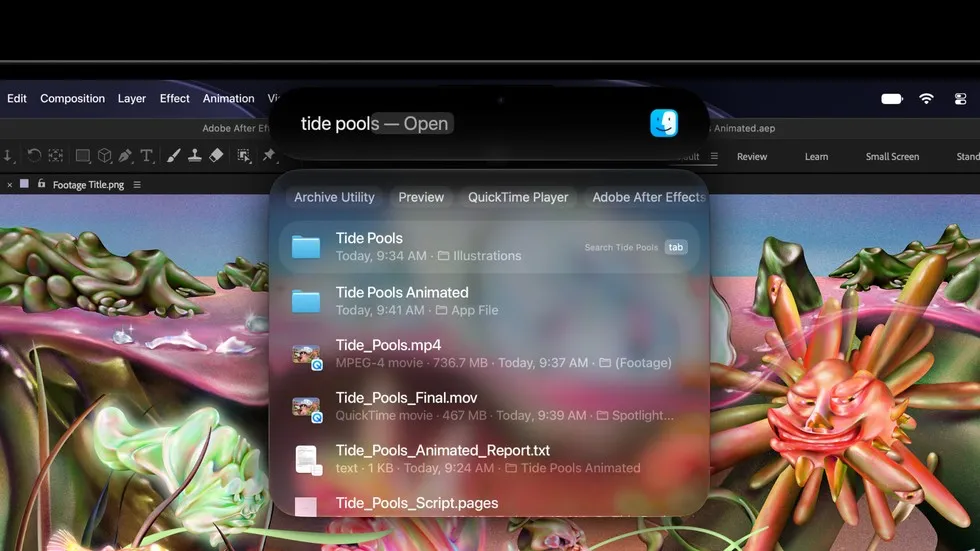
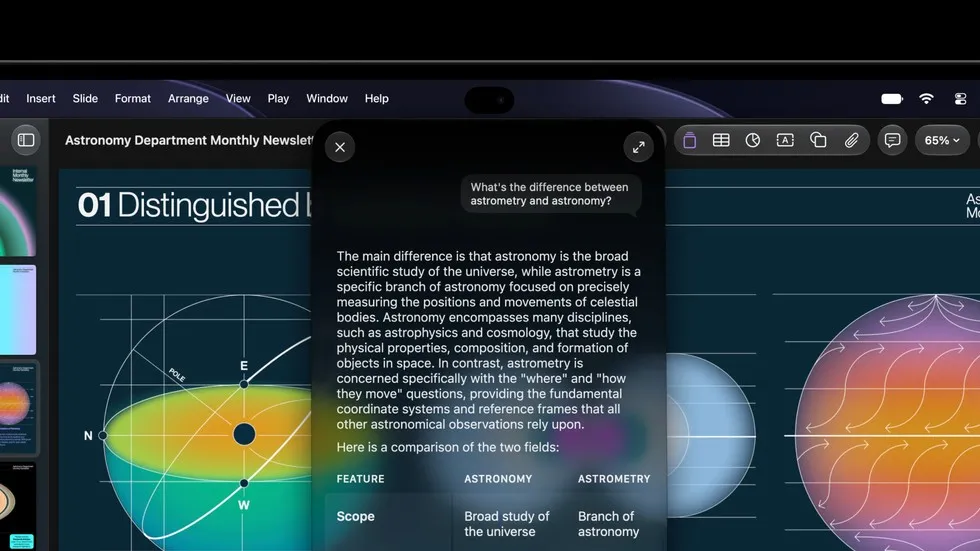
The Dynamic Island also comes to the Mac, where it serves as the home for Spotlight, Live Activities, and Siri AI. Users can ask a question, answer a phone call, or control music from it. Live Activities provide timely updates at a glance, and users can accept an AirDrop request or pause a song with a tap.
Apple is also targeting professional color and imaging work. The Apple Pro Display Calibrator lets pros calibrate the display to specific targets, and industry-standard reference modes cover cinematic standards, photography, print, and design. New DICOM medical imaging reference modes let the display review medical images with grayscale accuracy and contrast for nondiagnostic reviews, research, and educational purposes. Through Apple Color Matching Function 2026, the display provides a consistent visual experience when paired with iPhone 18 Pro or Studio Display XDR. Support for genlock synchronizes the display's refresh rate with a camera's capture to reduce ghosting, tearing, and other artifacts when filming, which Apple says is valuable for virtual productions and on-set work.
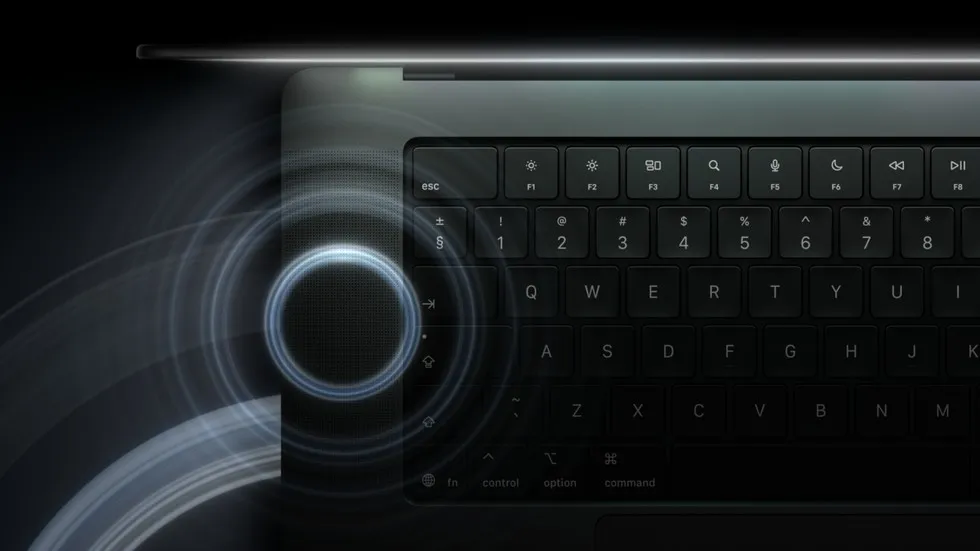
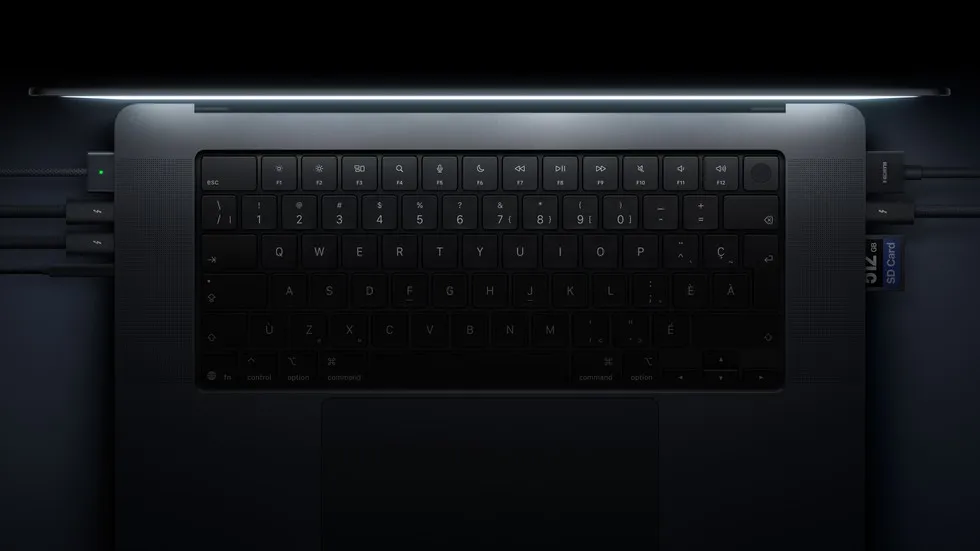
The audio system is also upgraded. A six-speaker sound system provides 50 percent deeper bass and greater clarity. The laptop includes Thunderbolt 5, a 12MP Center Stage camera, and studio-quality mics.
Apple's Creator Studio apps are optimized for Touch alongside the keyboard and trackpad. In Pixelmator Pro, creators can draw, paint, and select directly on the canvas. In Logic Pro, musicians can play software instruments on a fully Multi-Touch polyphonic keyboard, with tappable chord and drum pads onscreen. In Final Cut Pro, editors can use Touch to mark ranges precisely, drop clips into place, and pinch to zoom in on a cut.
On sustainability, the enclosure uses 100 percent recycled aluminum, the battery uses 100 percent recycled cobalt, and multiple capacitors use 100 percent recycled tantalum, which Apple calls a first for the company. Apple says the product is manufactured with 45 percent renewable electricity, such as wind and solar, across the supply chain. The paper packaging is 100 percent fiber-based and designed to be recycled.
Customers can pre-order the MacBook Pro with PROLED XDR Display today, October 28, at apple.com/store and in the Apple Store app in 30 countries and regions, including the U.S. Deliveries and in-store availability at Apple Store locations and Apple Authorized Resellers begin Friday, November 6.
Pricing in the U.S. starts at $2,899 for the 14-inch model with M5 Pro, or $2,749 with education savings. The 16-inch model with M5 Pro starts at $3,399, or $3,199 with education savings. The 14-inch model with M5 Max starts at $4,499, or $4,199 with education savings. The 16-inch model with M5 Max starts at $4,799, or $4,499 with education savings.
| Model | Starting price (U.S.) | With education savings |
|---|---|---|
| 14-inch with M5 Pro | $2,899 | $2,749 |
| 16-inch with M5 Pro | $3,399 | $3,199 |
| 14-inch with M5 Max | $4,499 | $4,199 |
| 16-inch with M5 Max | $4,799 | $4,499 |
Apple Creator Studio updates arrive on the App Store this November at no cost for existing subscribers. New subscribers pay $12.99 per month or $129 per year, and college students and educators pay $2.99 per month or $29.99 per year. All new subscribers get a one-month free trial, and buyers of a new Mac or qualifying iPad get three months free.
Eligible U.S. customers can lease the MacBook Pro through Apple Upgrade from $55.99 per month for 36 months, excluding taxes and any trade-in credit. Apple accessories include the 70W Power Adapter for $59, the 96W Power Adapter for $79, the 140W Power Adapter for $99, and the World Travel Adapter Kit for $39.