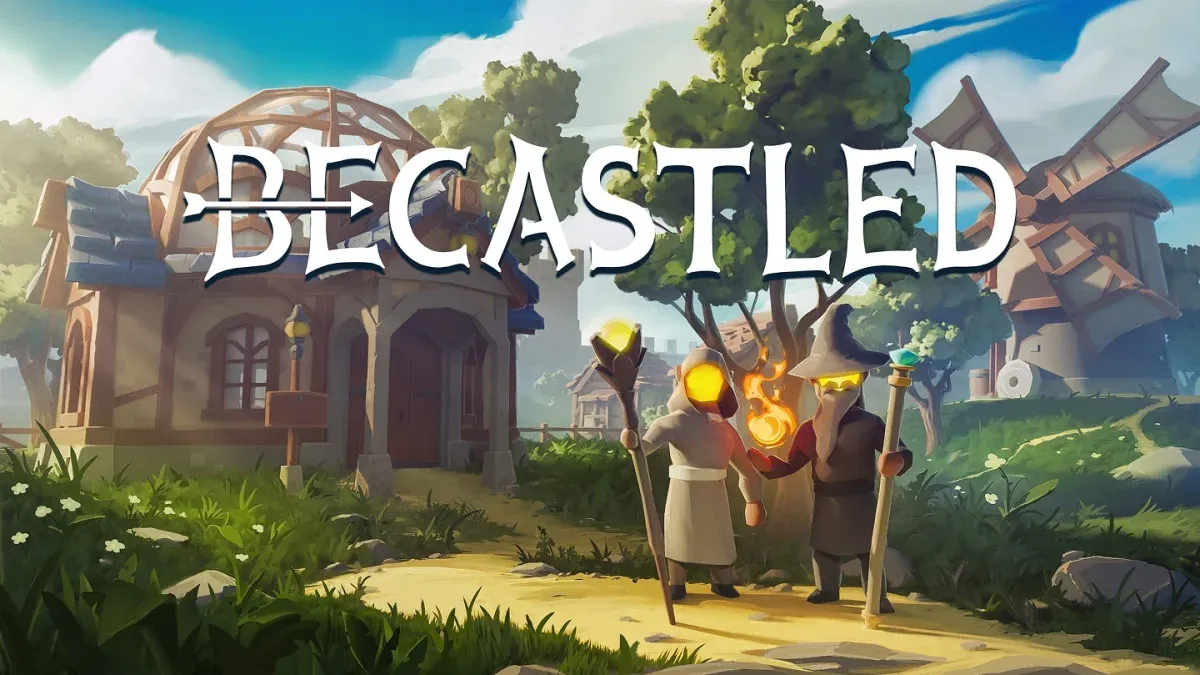
Becastled adds 40+ traits that reshape every run
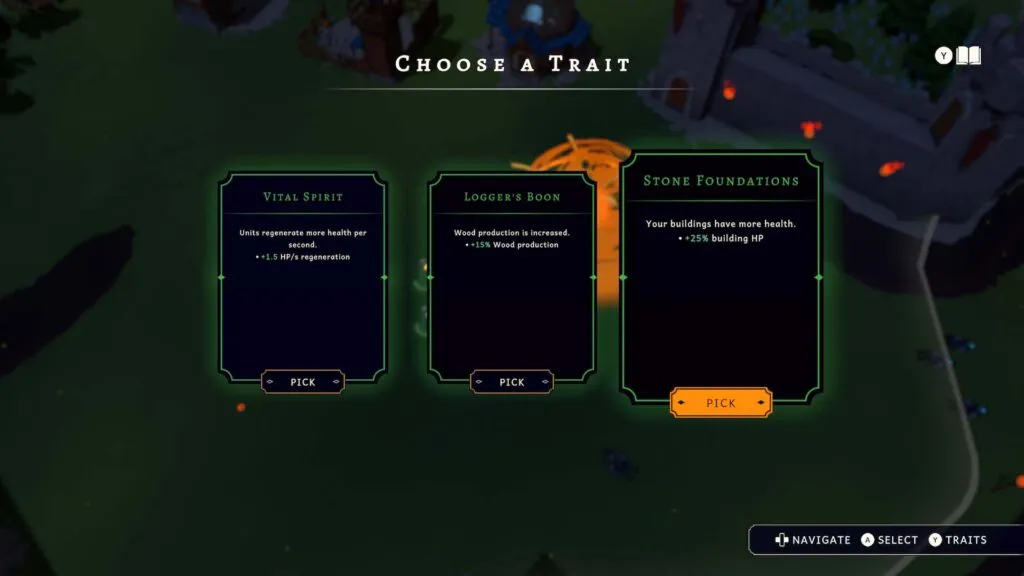
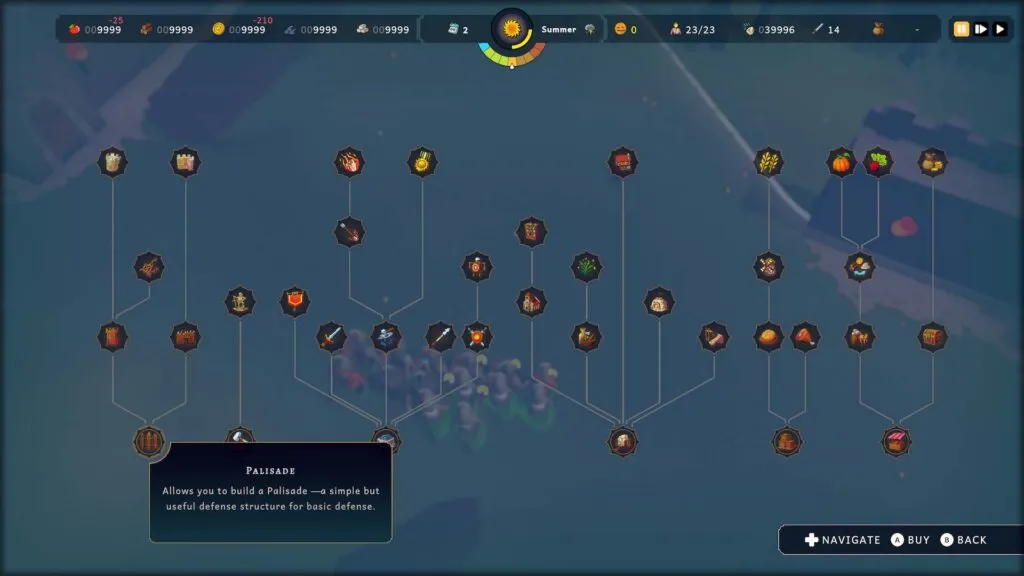
Players of Becastled tended to find one strategy that worked on almost any level, and then had little reason to try other buildings, units, or approaches. The developers built Traits and Some Magic to change that. Its central addition is a system of more than 40 traits meant to make each run's circumstances shape your strategy, rather than simply making your character stronger.
Every few days, and after a Blood Moon, you choose one of three traits. Traits come in three rarities: Common, Uncommon, and Rare. After a Blood Moon, the chance of seeing rarer options increases. The simplest traits provide a small economic boost or increase unit health. The developers say the most interesting ones offer a much stronger effect in exchange for a meaningful restriction.
Some examples:
Traits also combine. Glass Cannon can be paired with Blood Money and Master of the Bow to create archers capable of dealing huge amounts of damage. Other runs can head in very different directions, with powerful archers but no walls at all, or units with so much health that they are extremely difficult to kill. The goal, according to the developers, is that players respond to what they get instead of repeating the same strategy every time.
Many traits carry trade-offs on purpose. If every option were purely positive, all three choices would be essentially correct. The developers wanted players to ask whether a powerful bonus is worth a serious restriction, whether it is worth spending resources on right now, whether their existing strategy can handle the new limitation, and whether they will have to rethink their army. The team balanced the system through internal playtests and formulas in Google Sheets. With more than 40 traits, they had to examine not only individual values but also what happens when different effects work together.
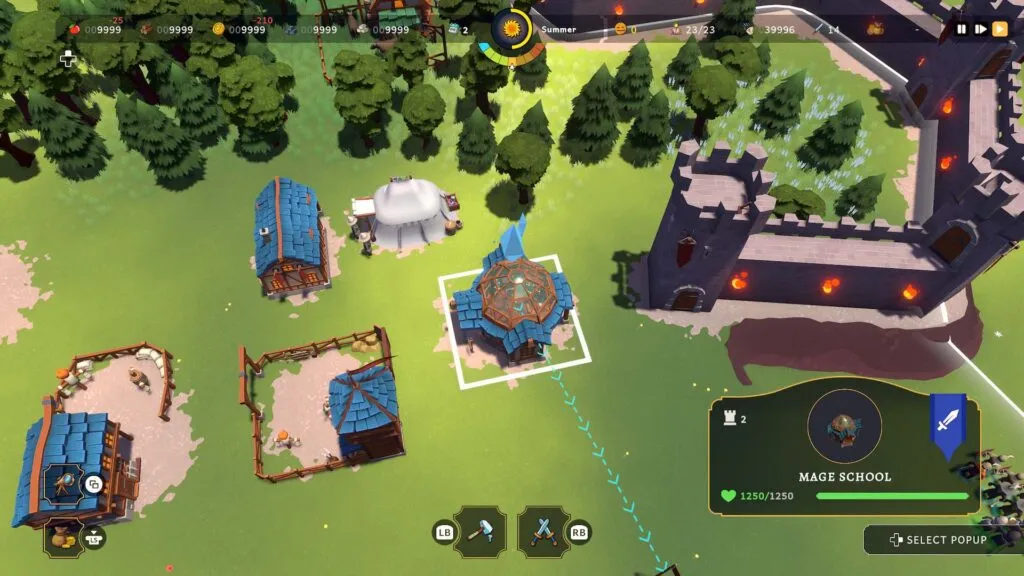
The expansion also adds two new unit types, Mages and Clerics, both recruited from the new Mage School.
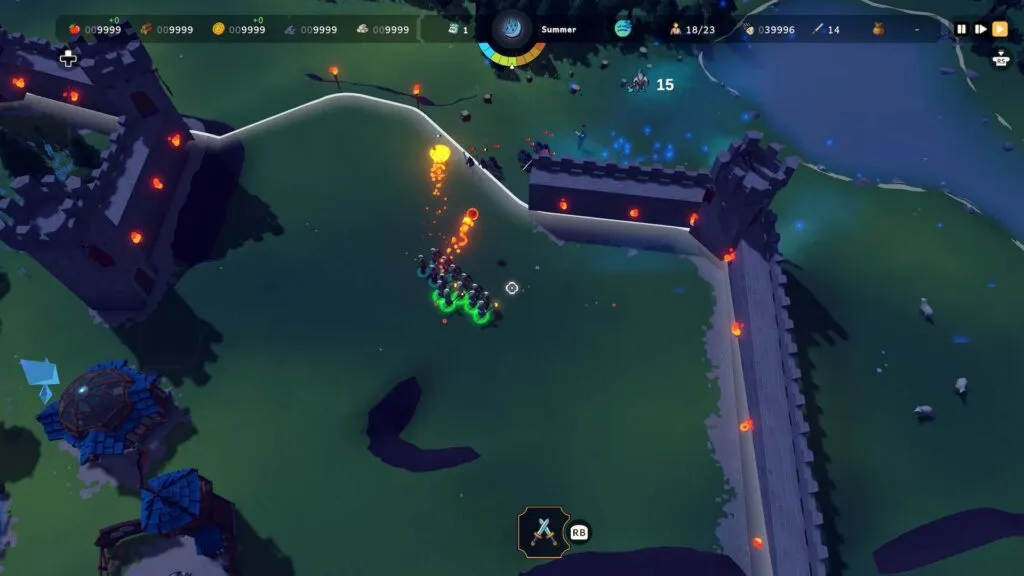
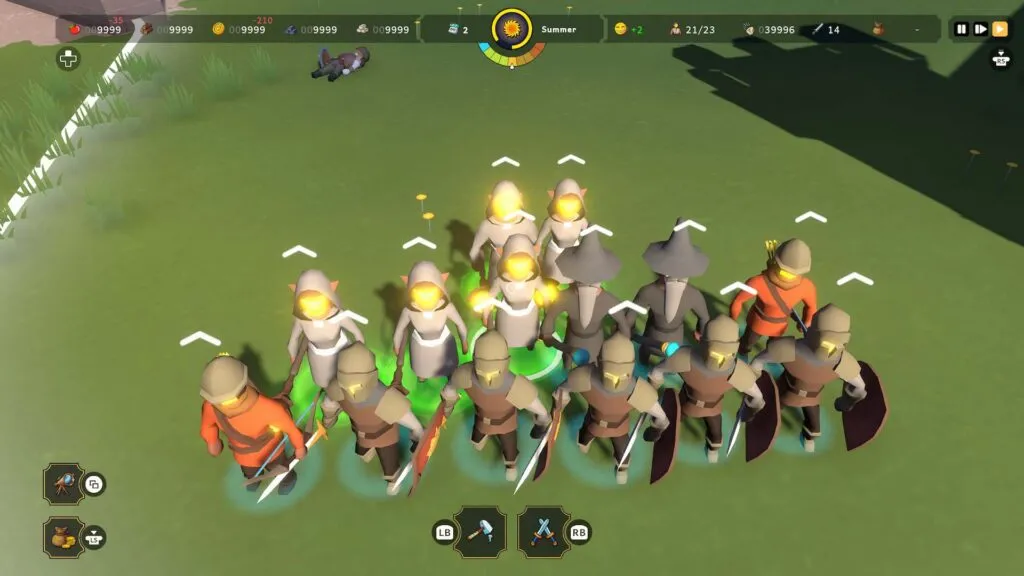
Mages are designed around high risk and high potential impact. They are easy to kill, but used correctly they deal a huge amount of damage, and their area damage is especially useful against groups of enemies. Walls can be a good place to position them, or they can stay behind other units where enemies have a harder time reaching them.
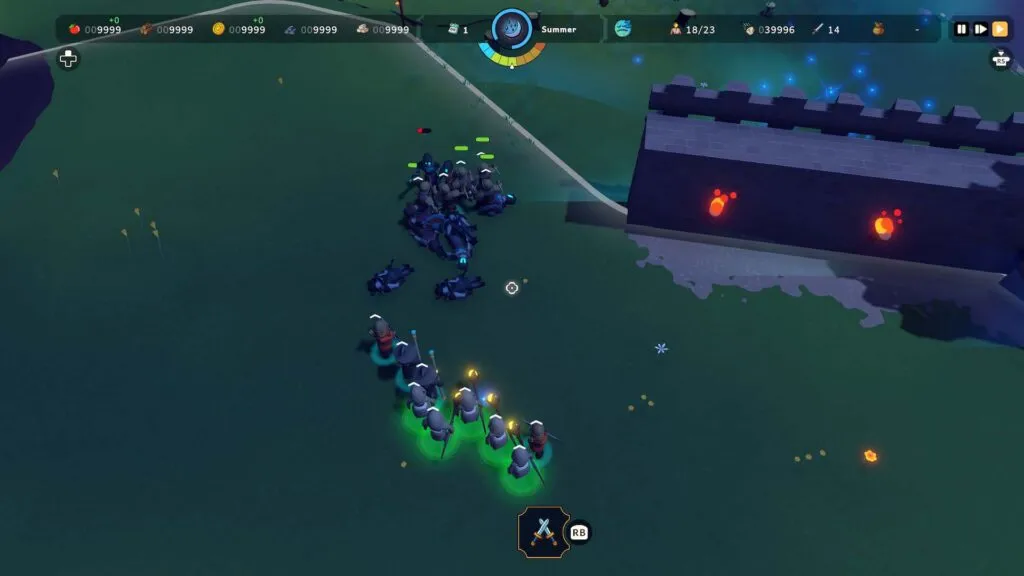
Clerics are also fragile, but they heal rather than deal damage. The developers wanted to address the constant loss of units, particularly during boss fights. Clerics should be especially useful for players trying to finish the game without losing a single unit. One developer said they particularly like the synergy with Swordsmen, which can form a strong line. The line is not invulnerable, though. Enemy archers and certain other units can kill Clerics quickly if they are left exposed, so their battlefield position becomes part of the decision.
The developers also explain that time and team size were major constraints. Some features planned for the DLC had to be postponed. As a result, the trait system was built so designers can create new traits without developers implementing each one. The developers say this saved significant time and let the team iterate and test new options more quickly during playtests.
An earlier experiment did not make it into the DLC. It would have let players select modifiers before starting a game, with no limit on how many could be active, allowing combinations for almost impossible runs or removal of mechanics such as mood or the unit limit. Part of that system still exists in the project, but it was not completed in time for this release.
Traits and Some Magic is available now for Becastled. The article does not state a price or a specific release date.
| Model | Price | Where to buy | As-of date |
|---|---|---|---|
| Becastled | $19.99 | Steam | Oct. 2026 |