Stranger Than Heaven: 50 Years of Brawls and Showbiz
RGG Studio, the team behind the Like a Dragon series, is preparing Stranger Than Heaven, a game that follows protagonist Makoto Daito across a 50-year journey. At a recent press preview, we played select portions of four chapters: the Prologue, Kokura in Fukuoka, Kure in Hiroshima, and Minami in Osaka. The game mixes close-quarters combat with the glitz of show business, and the two halves are equally distinct.
The Prologue takes place in San Francisco in 1915. Framed for murder and pursued by police, Daito shakes off the cops and boards a suspicious vessel about to set sail. There he meets Yu Shinjo, a fellow stowaway, and the ship's captain, Orpheus. A moody jazz-blues soundtrack underscores the story. Daito has lost his parents and faced racial discrimination, and you can feel his loneliness, but he also shows a compassionate heart by putting himself at risk to protect Mashiro when the crew spots her.
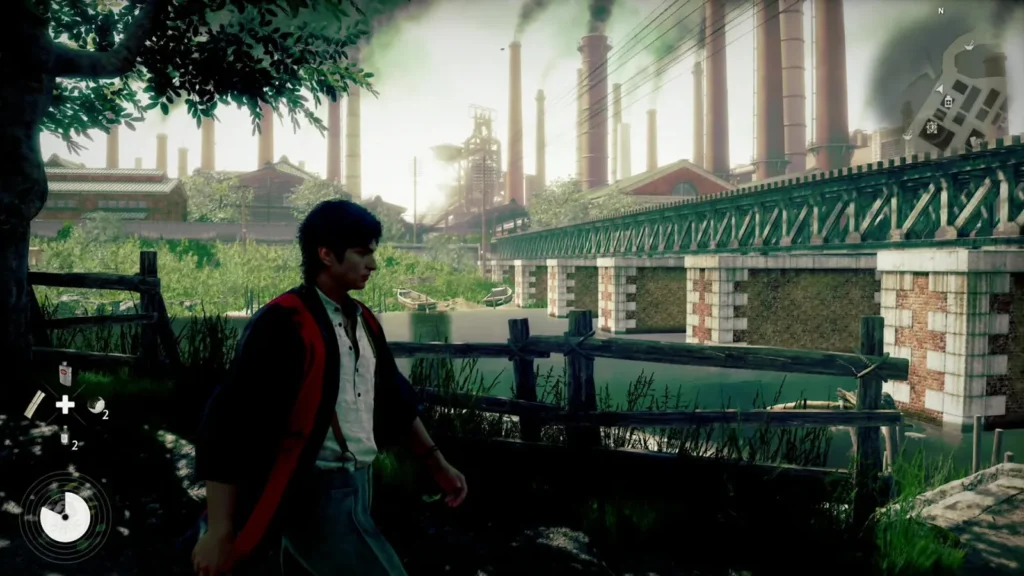
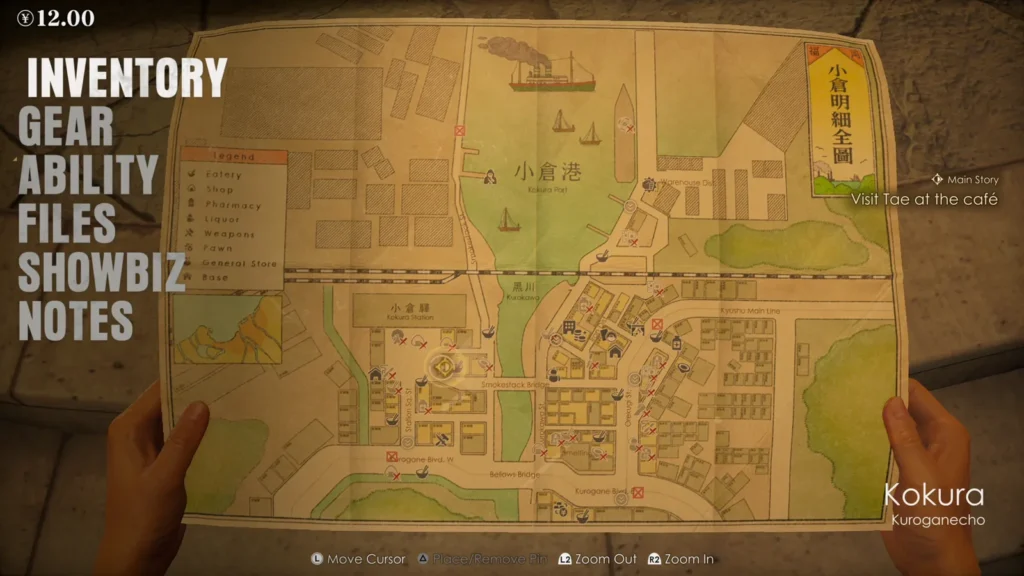
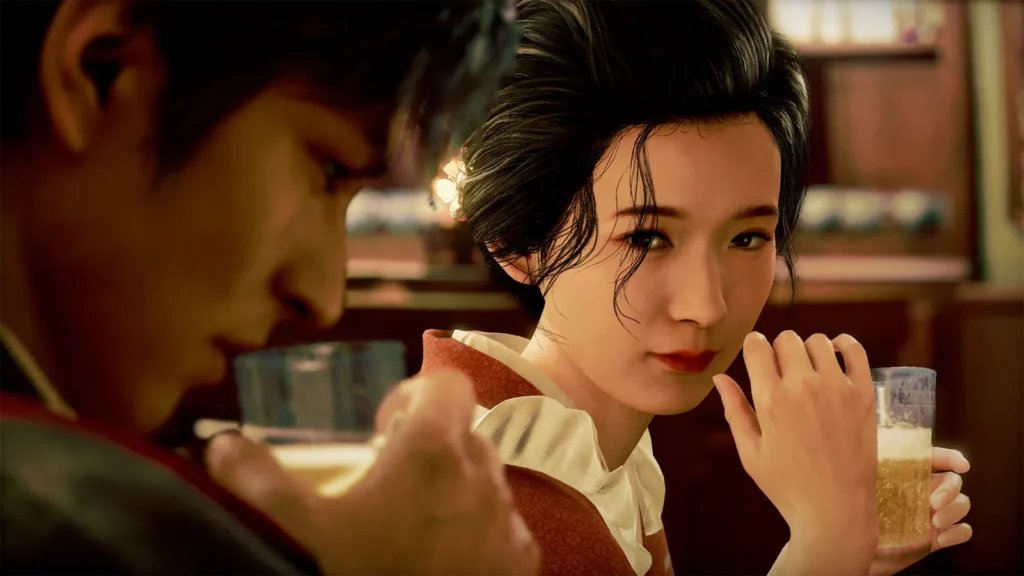
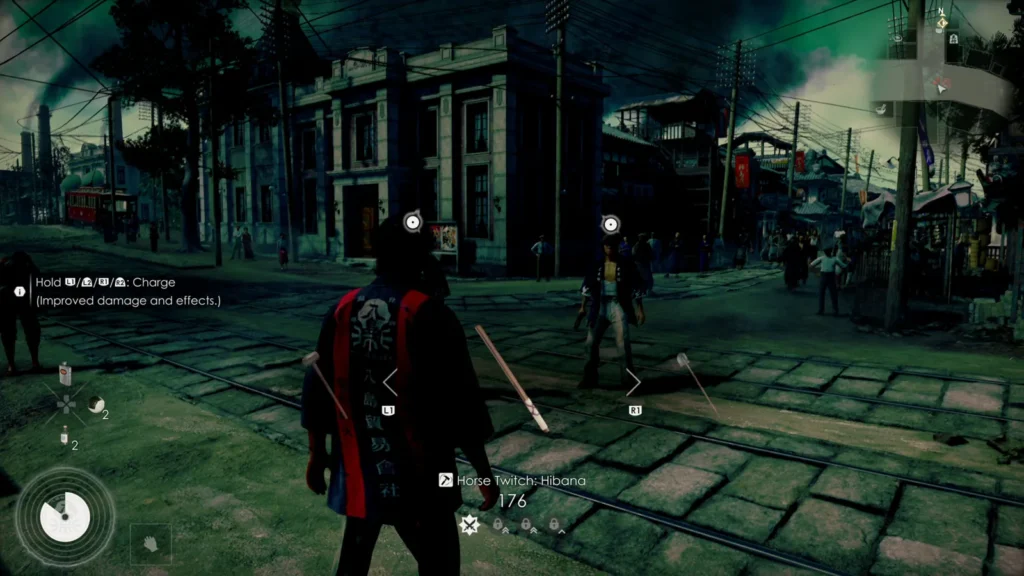
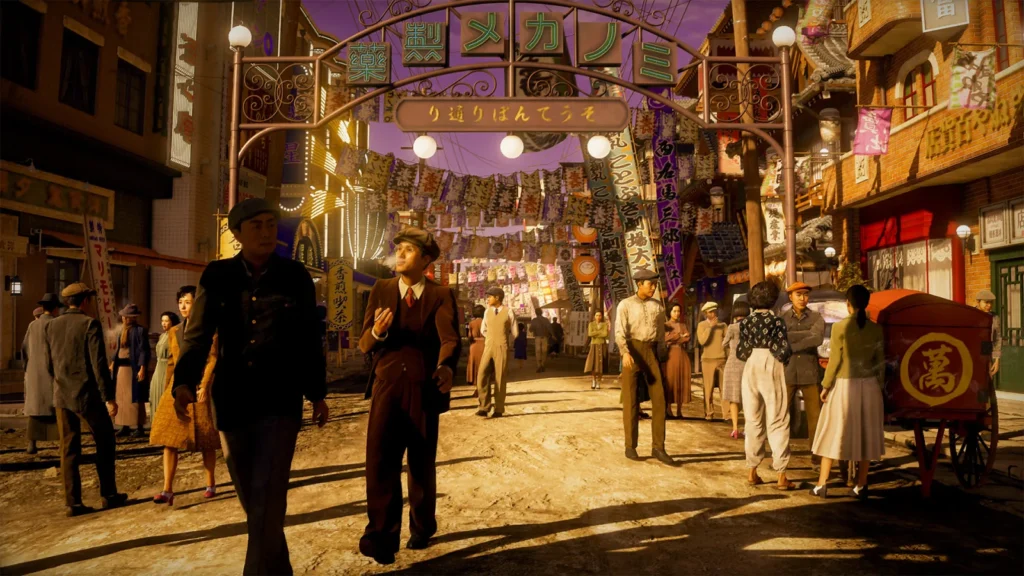
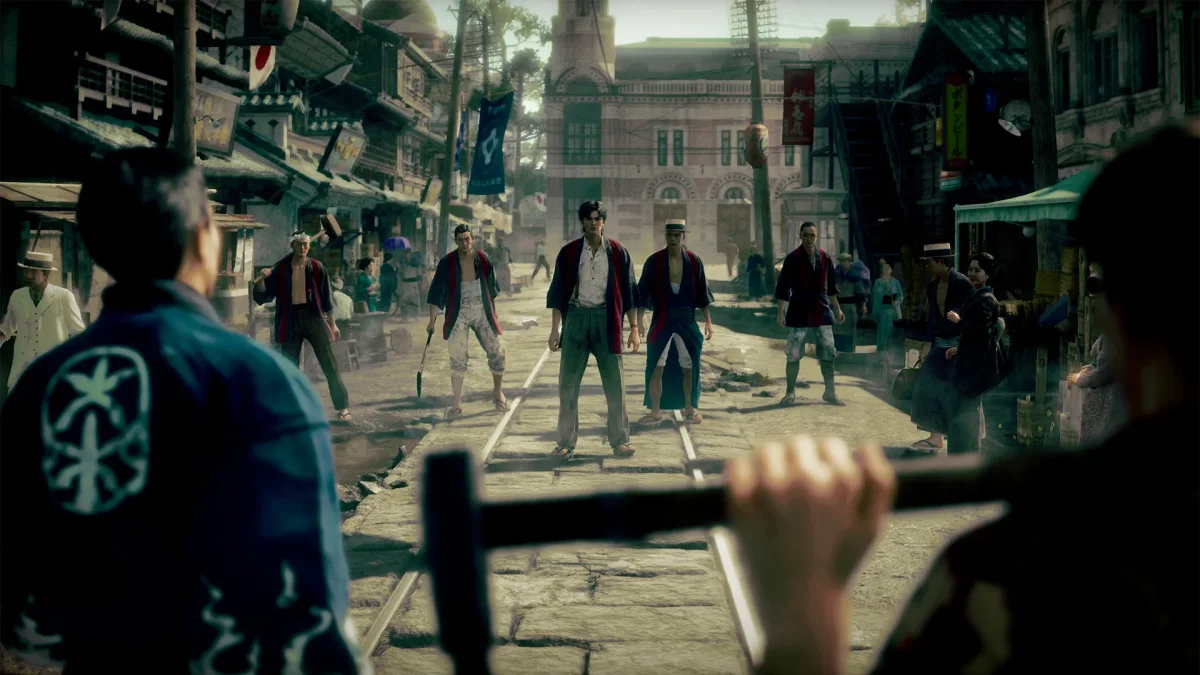
The next segment is set in Kokura in 1915, where Daito meets Tae, the woman who becomes the anchor of his life. Still searching for a place to belong, he is deeply shaken when she greets him with a gentle “Welcome home.” The attraction is conveyed through subtle facial expressions and minute hand gestures. The town itself is a lively port, with smoke billowing from steel mill chimneys, maze-like alleys bordered by wooden fences, and street stalls selling beef over rice. Simply exploring it is enjoyable.
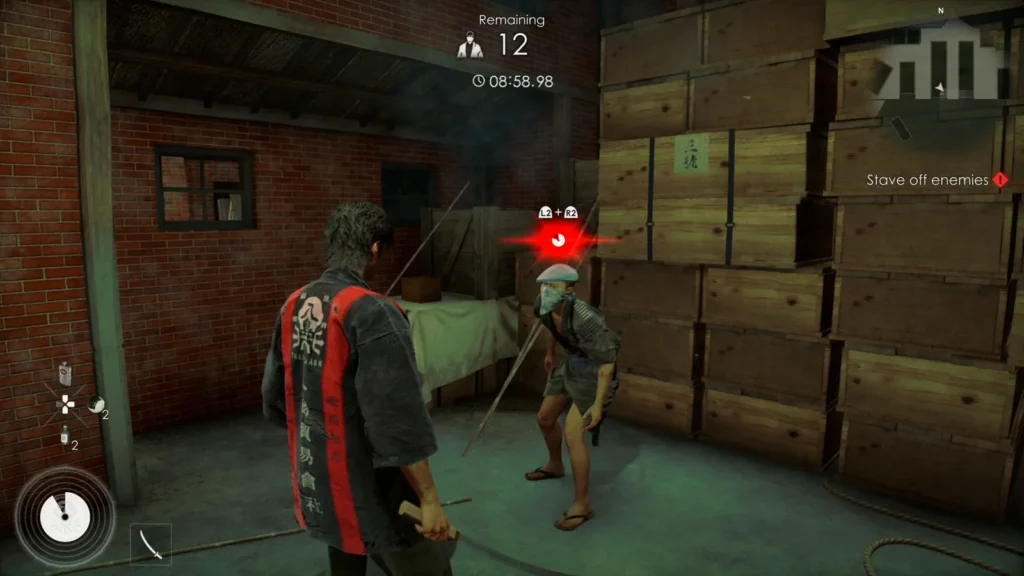
The Kokura section includes a long fight against multiple foes at the steel mill to rescue a kidnapped Tae. The combat system uses the shoulder buttons and triggers to control the left and right sides of Daito's body independently. You alternate left and right attacks while guarding in the direction of incoming strikes. Because inputs sync directly with the character's movements, the controls feel tactile, from the wide wind-up of a punch to the impact on landing a blow.
Weapons add a brutal edge. Compact one-handed weapons allow lightning-fast strikes but leave Daito's left hand relying on weaker bare-fist attacks. Massive weapons like sledgehammers leave you open to counterattacks because of longer recovery times, but they unleash devastating force per swing. In our session, one-handed weapons felt reliable at first, but the sledgehammer proved far more effective in group fights for clearing out multiple enemies at once. We ran out of steam before the final encounter, but the challenge left a lasting impression.
In Kure (1929), the Arena lets you defeat designated opponents for rewards. Rematching previously beaten adversaries lets you apply constraints, such as “No Weapons,” for extra bonuses. Failing to meet those conditions reduces the reward.
According to Producer Hiroyuki Sakamoto, Daito's health and spirit attributes improve through daily actions like walking around town or reading the newspaper. Weapons have proficiency levels that raise attack power with continued use, and new moves can be learned through minigames and sub-stories.
In 1943 Osaka (Minami), Daito uses his showmanship to produce live performances. This generates income and plays a central role in the story. Running a show business means handling promotions, composing music, and mounting live stage shows.
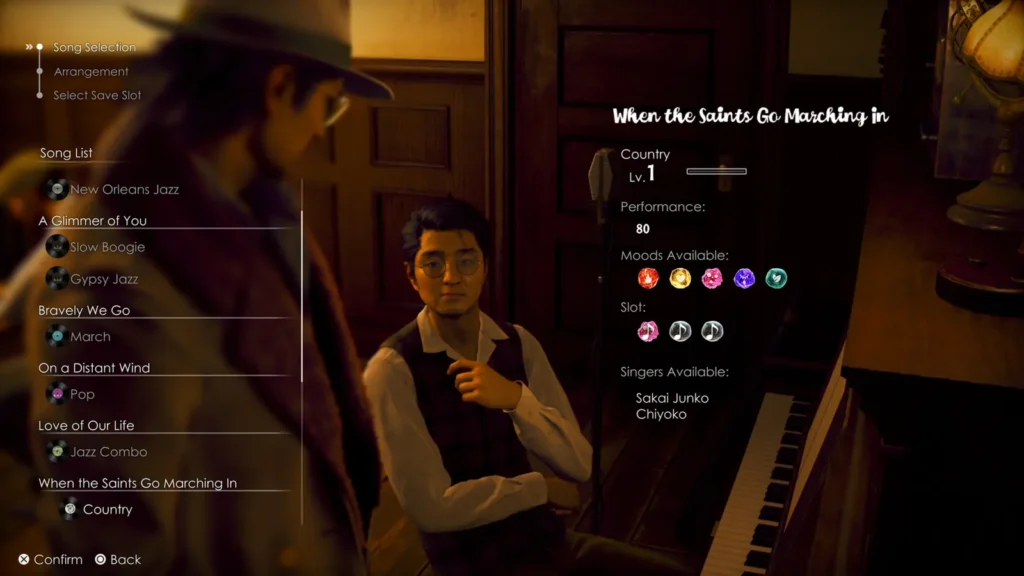
Composing requires collecting “Inspiration” by gathering sounds around the city and during battles. Once you have enough, you take your discoveries to a composer to craft new tracks. A single song can receive multiple arrangements, and swapping instruments dramatically changes its mood. Sakamoto says Inspiration can come from unexpected places. Feeding a stray dog might make it bark and unlock a new sound, and some prompts only appear at night. Tracks you compose are not tied to one era: a piece performed in Kure can later be showcased in Minami or Atami.
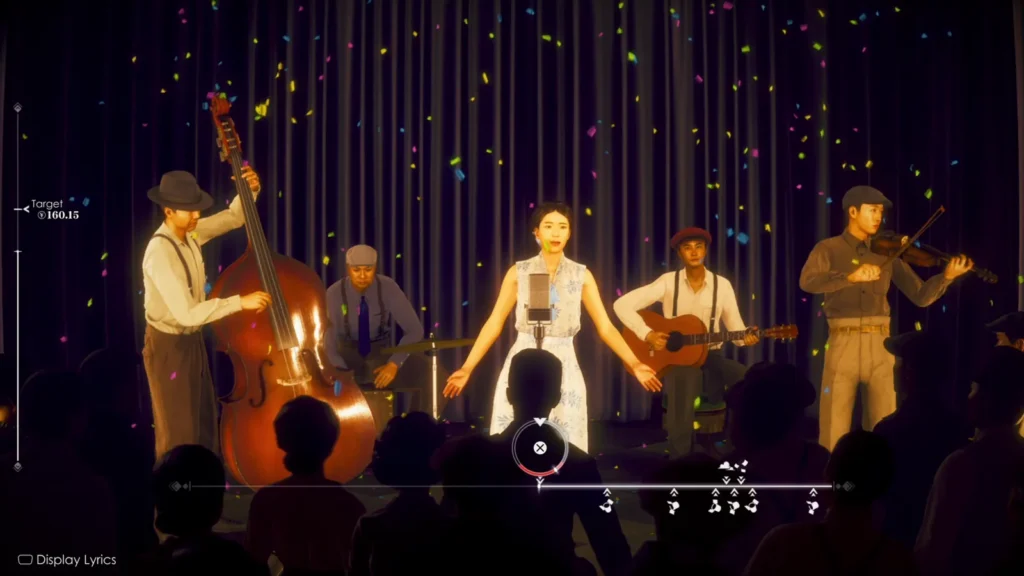
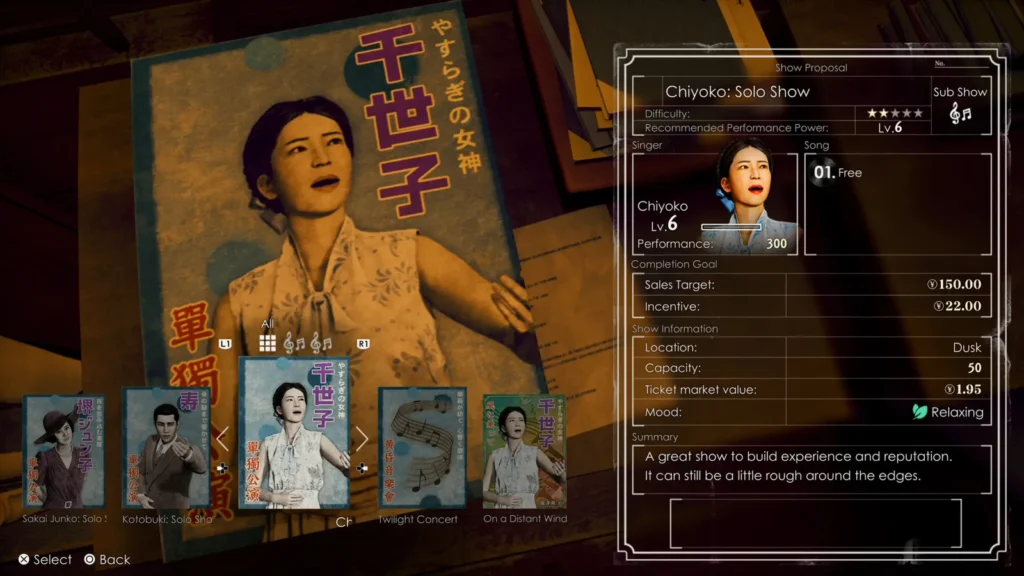
When producing a performance, you choose singers, musicians, and stage effects such as confetti or fog machines. Each show has target revenue goals, so you must balance performer skill against operational costs. During the show, Daito personally runs the lighting and special effects. Hitting the on-screen button prompts enhances the effects and boosts revenue. Success seems to depend more on pre-show planning, such as choosing the right song, cast, and stage setup, than on twitch reflexes like a traditional rhythm game.
Stranger Than Heaven is available for pre-order ahead of its Jan. 15, 2027 release on PlayStation 5, Xbox Series X|S and PC. The Standard Edition is listed at $69.99, while the Deluxe Edition costs $89.99; Best Buy lists PS5 and Xbox Series X physical versions for order with release-day pickup or shipping.
| Detail | Information |
|---|---|
| Release date | Jan. 15, 2027 |
| Platforms | PlayStation 5, Xbox Series X|S and PC |
| Standard Edition | $69.99 |
| Deluxe Edition | $89.99 |
| Physical versions at Best Buy | PS5 and Xbox Series X, with release-day pickup or shipping |