Samsung packs 200 million pixels into 1/1.3-inch sensor
Samsung has unveiled an image sensor that crams a huge pixel count into a surprisingly familiar footprint, raising a question every phone buyer should ask: how far can resolution climb before the camera stops fitting? The answer involves a pixel design Samsung says goes beyond simply adding more, though real-world proof is still missing.
Samsung packs 200 million pixels into 1/1.3-inch sensor
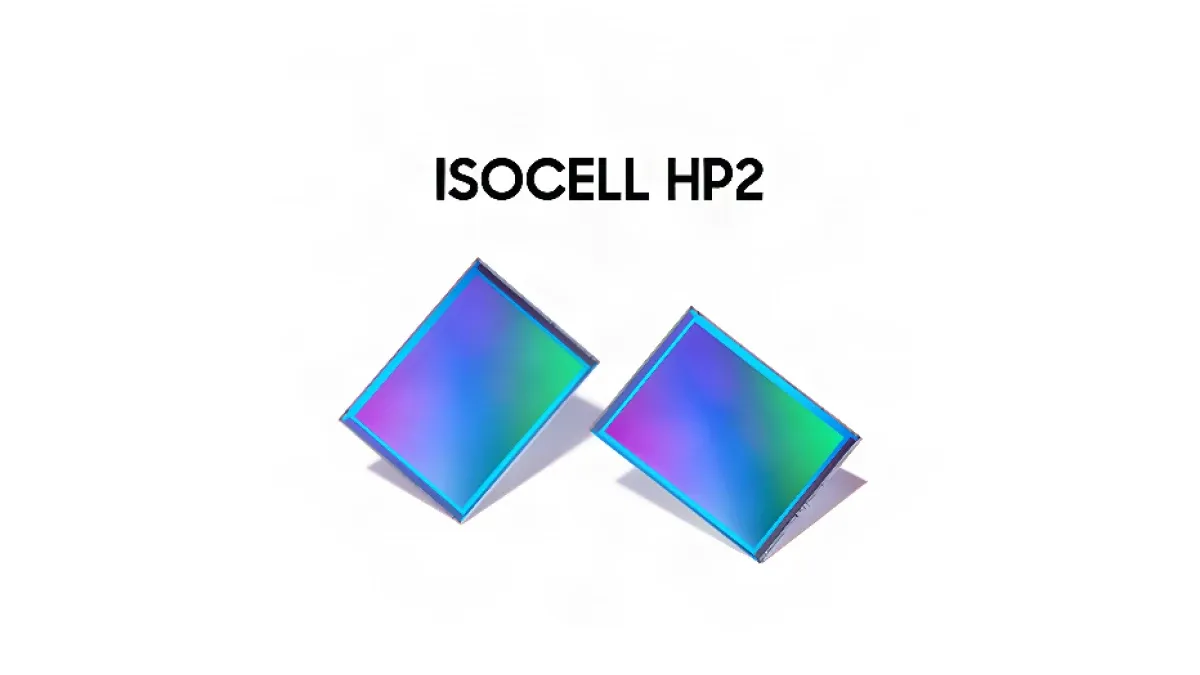
On January 18, 2023, Samsung Electronics introduced the ISOCELL HP2, a 200-megapixel (MP) image sensor with improved pixel technology and full-well capacity. Samsung aims it at “tomorrow's premium smartphones,” where it is meant to deliver “stunning mobile images.”
The sensor's main technical point is its packing density within a familiar size. The ISOCELL HP2 uses 200 million 0.6-micrometer (μm) pixels in a 1/1.3-inch optical format. Samsung notes that this sensor size is already widely used in 108MP main smartphone cameras, so manufacturers can move to much higher resolution without enlarging the camera hardware. In Samsung's words, this “enables consumers to enjoy even higher resolutions in the latest high-end smartphones without larger camera bumps in their devices.”
Samsung positions the chip as a step beyond simply adding pixels. JoonSeo Yim, Executive Vice President of Sensor Business Team at Samsung Electronics, said: “Our leadership comes from innovative pixel technologies that allow our sensors to go beyond the number and size of pixels. We will continue to open new horizons and solidify our presence in the expanding ultra-high-resolution sensor market.” The announcement's subtitle adds that the added capacity is meant to give “maximum pixel performance” for “detailed and seamless photos in any light condition.”
Our leadership comes from innovative pixel technologies that allow our sensors to go beyond the number and size of pixels. We will continue to open new horizons and solidify our presence in the expanding ultra-high-resolution sensor market.
Key Features at a Glance
Resolution: 200 MP, built from 200 million pixels – the headline figure for high-detail capture in flagship phones.
Pixel size: 0.6 μm per pixel – the small pitch is what allows such a pixel count in a compact sensor.
Optical format: 1/1.3-inch – the same size used in 108MP main smartphone cameras, so phone designs don't need bigger sensors.
Pixel technology: Improved pixel technology and full-well capacity – Samsung cites these as the basis for performance in varied lighting.
Low-light claim: “Detailed and seamless photos in any light condition” – a claim from Samsung's marketing, not independently tested in the announcement.
Design benefit: No “larger camera bumps” – higher resolution without changing the camera module's footprint.
Availability
Samsung's announcement does not give a specific release date, device partners, or pricing for the ISOCELL HP2. It says only that the sensor is aimed at “tomorrow's premium smartphones.” Readers should look for phones that name the sensor before assuming it is available in any particular model.