Final Fantasy Resonance revives classic RPG roots in HD-2D
Final Fantasy Resonance is a charming, nostalgic return to the series' aesthetic, narrative, and mechanical roots, thoughtfully modernized. It adapts the story of the former mobile exclusive FINAL FANTASY BRAVE EXVIUS into a wholly reimagined and rebuilt console RPG, and it is the first time Square Enix has applied its HD-2D hybrid visual style to the FINAL FANTASY series.
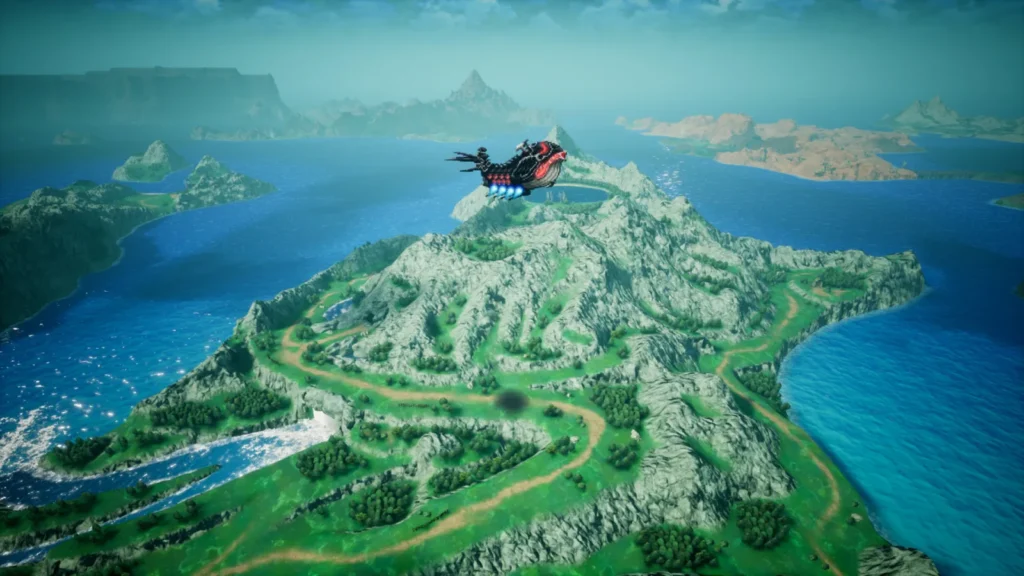
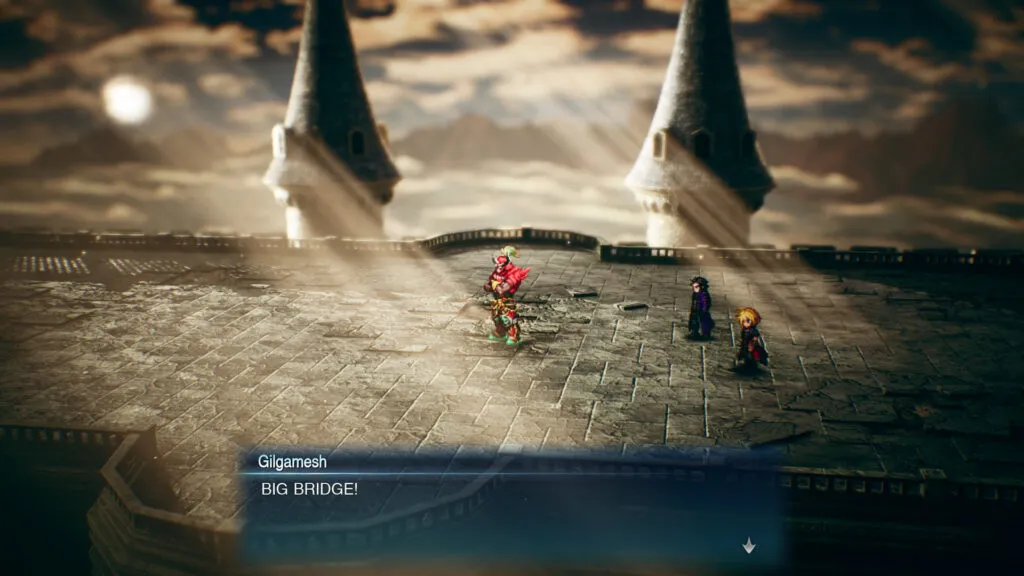
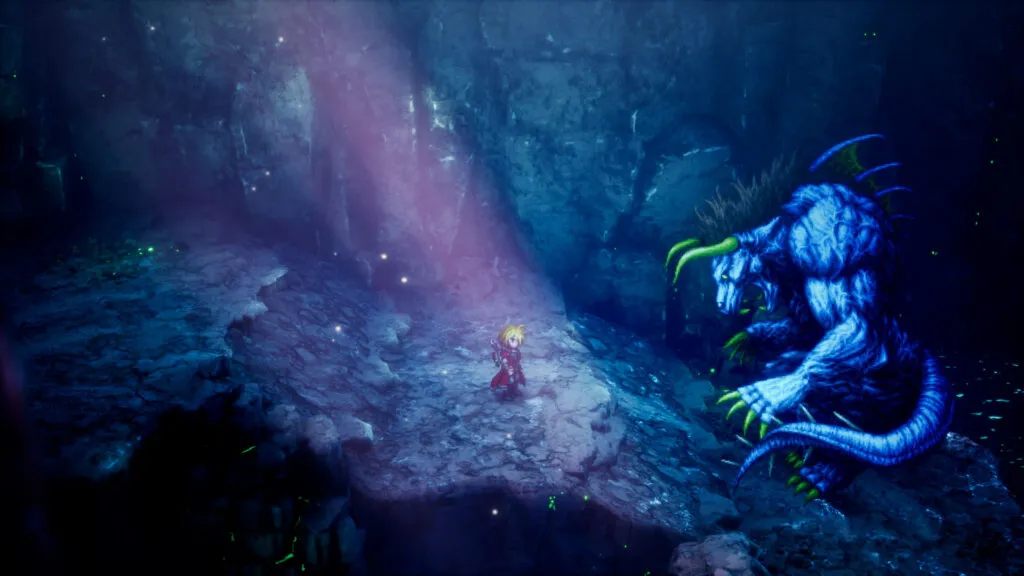
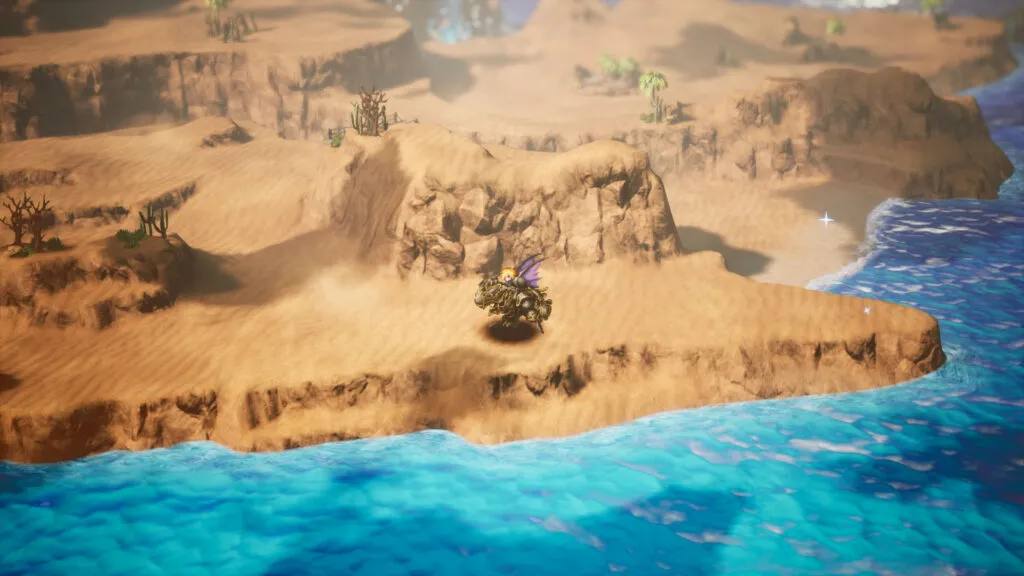
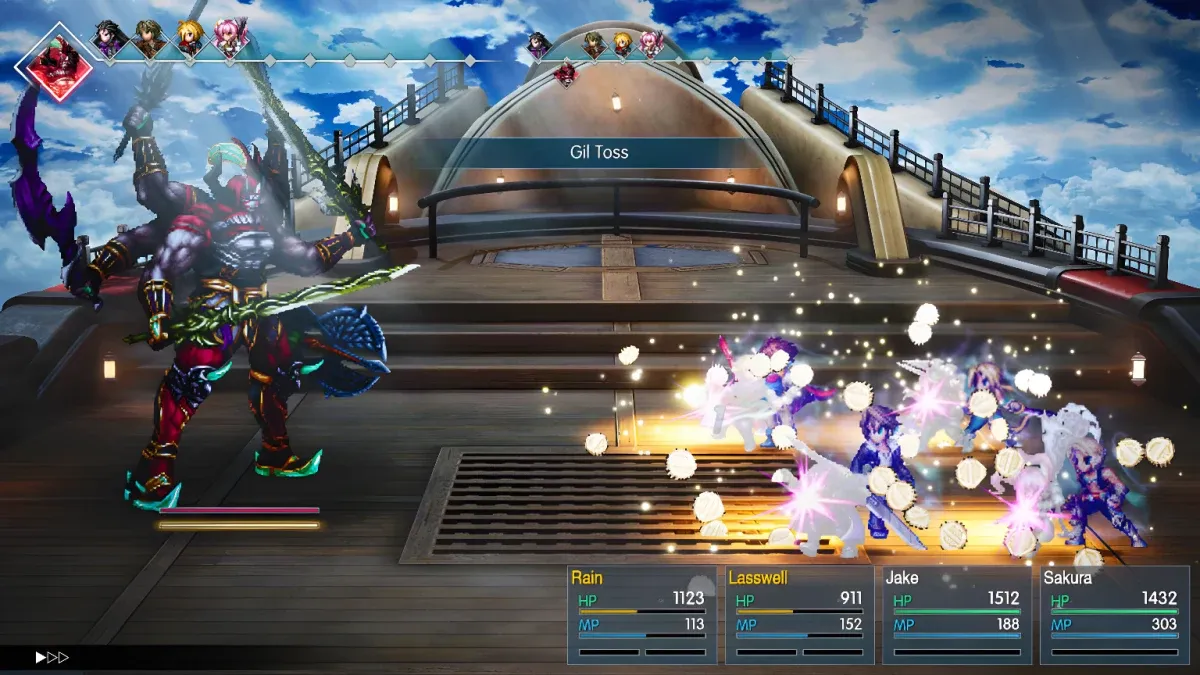
The review opens with a simple contrast: in 1996 and again in 2026, the reviewer is traveling by chocobo and airship through a world of moogles, espers, crystals, and magitek, dazzled by vibrant pixel art. The HD-2D style, which Square Enix has used in Triangle Strategy and the Octopath Traveler games, layers 2D sprites over 3D worlds with cinematic cameras, dynamic lighting, particle effects, and depth of field.
Several RPGs experimented with a similar look on the PS1, including Square's own Xenogears. The reviewer argues that HD-2D games aren't so much a throwback as emissaries from a parallel universe where pixel art was never supplanted by full 3D and instead evolved. With nearly a decade of practice in the style, FINAL FANTASY RESONANCE might be the best and most pushed it has looked yet.
The story adapts FINAL FANTASY BRAVE EXVIUS, a free-to-play mobile gacha RPG that ran from 2015 to 2025. But the review stresses that this is no simple port or visual upgrade. Developers Square Enix and LANCARSE have built and balanced the combat and progression systems and the world anew on top of that original story, creating a fully featured, single-player, single-purchase RPG. The reviewer calls it a love letter to the series and a nostalgic return to its foundational roots with a modern upgrade, much like FINAL FANTASY IX did over 26 years ago.
The plot follows childhood friends Rain and Lasswell, knights for the idyllic Kingdom of Grandshelt. That idyll is shattered when a mysterious, powerful, armored man attacks the castle, steals a magical relic, and destroys the sacred Earth Crystal under the kingdom's protection. Joined eventually by Fina, an amnesiac spellcaster with some connection to all of this, and a party of unique individuals, each with their own reason to stop the impending chaos, the heroes set out to stop the Sworn Six from destroying the world's other elemental Crystals, each protected in different lands.
The reviewer sees this as a direct return to the archetypal fantasy narrative that dominated the first five entries in the series, before FINAL FANTASY VI (the reviewer's “first and still personal favorite”) began widening the dramatic and narrative scope of the series' storytelling. A party of four or more heroes endeavors to save the world's elemental Crystals from great peril. The high-fantasy melodrama is balanced by a brighter, often lighthearted tone from scene to scene, which keeps the game fun and also helps land the heavier emotional beats by contrast.
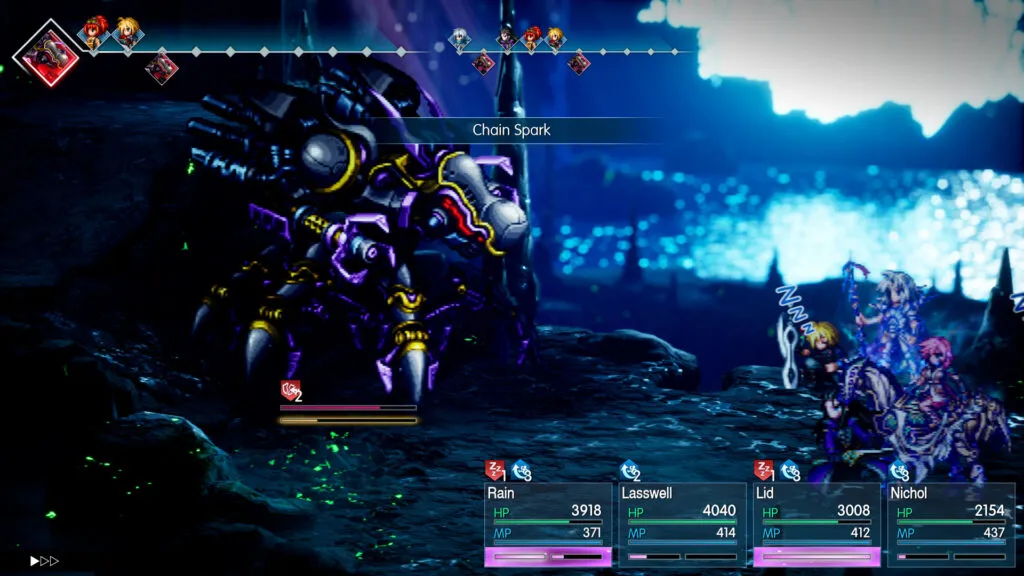
The game also returns to classic, menu-driven combat. It isn't Active-Time Battle, the system the series used from FINAL FANTASY IV on. Instead, it's fully turn-based, with a timeline across the top of the screen showing the upcoming action order of allies and enemies. Because you can see what's coming, you can preemptively react to the enemy, prioritizing targets and minimizing incoming harm.
The central new mechanic is the stagger meter. Every enemy has one, and every attack you have indicates proportionally how much damage it does to both health and stagger. Depleting an enemy's stagger meter stuns it, so it loses its action for the round and takes more damage. The character that staggers an enemy gets a bonus action at the end of the round. If you stagger every surviving enemy, you trigger a “sweeping stagger,” which gives your whole team a bonus end-of-round action.
This sits on a classic framework of elemental weakness and resistance and status effects (poison, blind, silence, charm, and more), with targeting weaknesses doing more health and stagger damage. The result is what the reviewer calls a very satisfying old-school combat flow. Characters progress in a traditional way, gaining predetermined stats and a fixed, unique list of skills and spells as they level up.
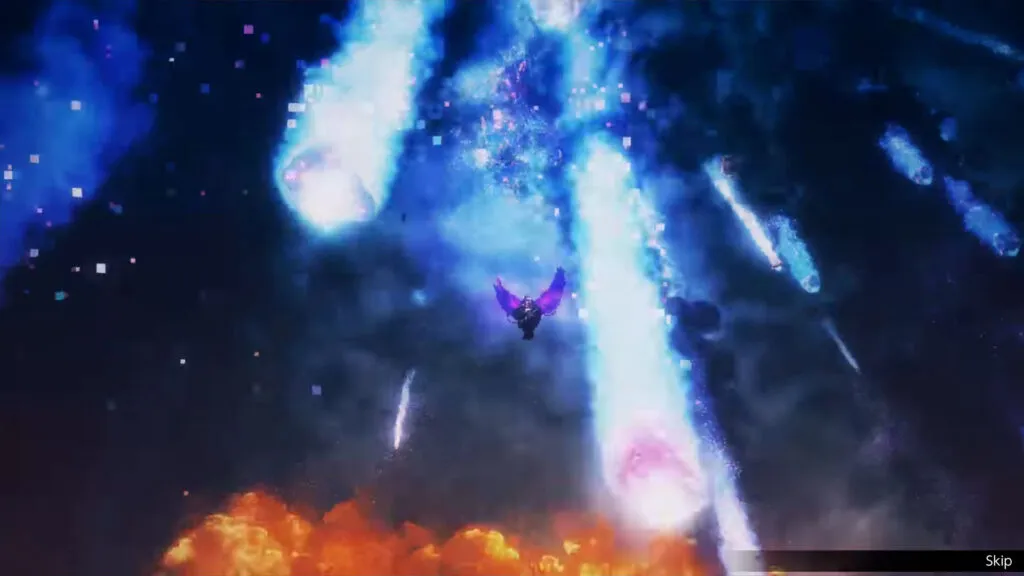
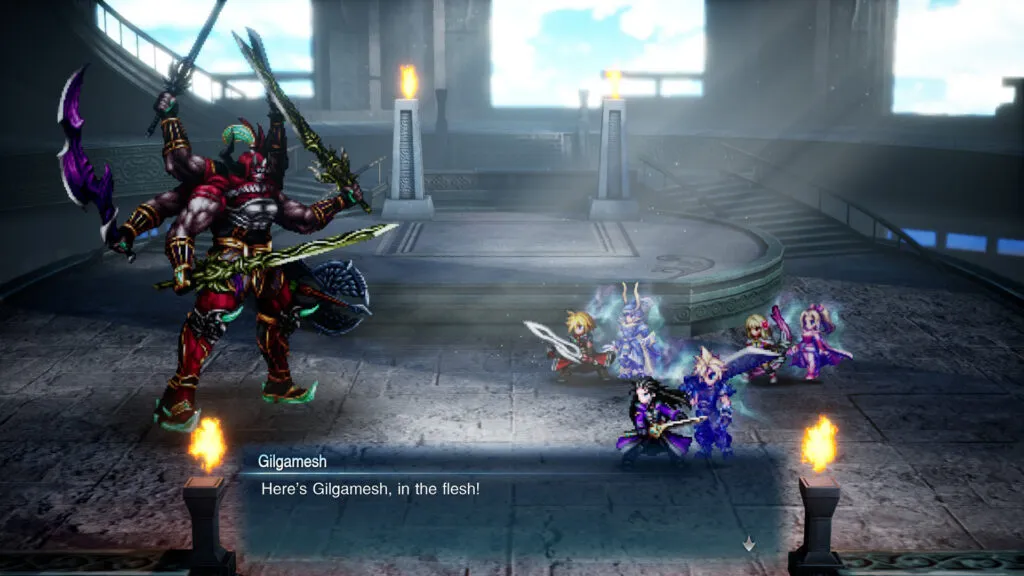
For players worried about a lack of customization, the game offers Visions. These are echoes of past FINAL FANTASY characters who lend Rain and his allies their powers in battle. The reviewer has seen the Warrior of Light (I), Cloud (VII), Terra (VI), and Zidane (IX), with many more to find scattered around the world in shrines. Each party member can have one Vision assigned at a time, gaining access to that Vision's abilities. Triggering a sweeping stagger also unleashes the Vision's special Resonance attack, complete with a full 3D summon-style cutscene.
Fighting alongside a Vision increases that character's mastery level with it, unlocking more abilities. These can be equipped up to a fixed point limit, even when a different Vision is equipped. Combining a character's base skills with their Vision's abilities, plus any others unlocked, gives considerable latitude in building each character's kit. The reviewer changed kits situationally to match the demands of each dungeon.
Visions are the most obvious echo of the game's gacha roots, but they are stripped of all randomness and monetization. What remains is the appeal of finding more cool characters to play with, especially for longtime fans. The game is also full of nods and references across the series' history, including a bard you meet who describes himself as “spoony.”
Like the best remakes and nostalgic media, the game succeeds by capturing your memory of the originals, rose-tinted glasses and all. Thoughtful modernizations shave off the friction that can make earlier games a slog to replay. Enemy weaknesses and resistances stay shown once you've found them, which makes repeat combats much easier to blaze through. Those fights are also accelerated by variable speed and skippable summon cutscenes. Outside of dungeons, you can fast travel to any previously visited location, which lets you avoid unnecessary random battles entirely.
These touches add up to a smooth experience that respects your time. It's a charming throwback with a satisfying, thoughtful rhythm of play that the reviewer has missed in modern RPGs, delivered in a sleek, modern package. With nostalgic fan service thrown in, the reviewer expects to be playing it for quite a while.
| Model | Price | Where to buy | As-of date |
|---|---|---|---|
| Standard Edition | US$49.99 | PlayStation Store, Xbox Store, Steam, Square Enix Store | Oct. 2026 |
| Digital Deluxe Edition | US$59.99 | PlayStation Store, Xbox Store, Steam | Oct. 2026 |
| Collector’s Edition | US$209.99 | Square Enix Store | Oct. 2026 |