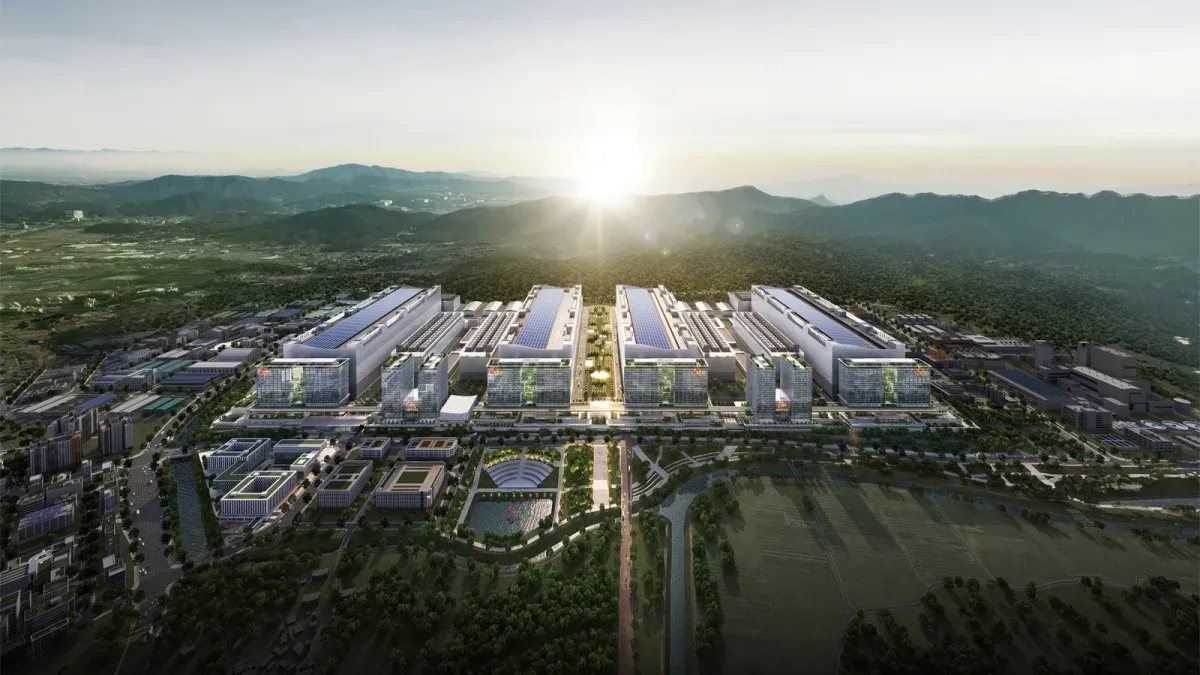
Elon Musk announced that the TeraFab initiative intends to utilize Intel 14A fabrication technology for its semiconductor production later this decade. During an earnings call with investors, the Tesla and SpaceX chief executive indicated that the 1.4nm-class node represents the appropriate path for the project as the manufacturing process reaches maturity. The announcement outlines a strategic partnership with Intel, emphasizing a collaborative relationship with the silicon giant leadership team to secure state of the art manufacturing capabilities for upcoming AI hardware.
Organizational Roles and Pilot Production
The project defines clear operational boundaries between the primary ventures involved. Tesla is slated to manage the initial research and development phase, which includes the construction of a pilot production line at its Gigafactory Texas campus. This 3 billion dollar facility is designed to process several thousand wafers per month, serving as a proving ground for experimental semiconductor physics and manufacturing techniques. This pilot environment allows for the validation of production processes before they are transitioned to a larger scale.
High Volume Manufacturing via SpaceX
While Tesla focuses on research, SpaceX is designated to lead the transition to high volume manufacturing. The aerospace company will be responsible for building and operating the full scale TeraFab facility. This division of labor requires significant coordination, as any joint initiatives must undergo rigorous reviews by the boards of both companies to address potential conflicts of interest. Musk acknowledged that while the foundational roles for Tesla and SpaceX are established, further organizational details regarding the long term operation of the TeraFab project remain under development.
Technology Licensing and Strategic Precedents
The move toward Intel 14A suggests a technology licensing model rather than the independent development of a proprietary node. By adopting established Intel blueprints, TeraFab can bypass the decade long timeline typically required to design a fabrication process from the ground up. This approach mirrors historical industry precedents, such as the licensing of 14nm technology by GlobalFoundries from Samsung and the more recent 2nm agreement between Rapidus and IBM. For Intel, the arrangement offers a potential influx of capital and a high profile partner for its 14A node, which is currently in the final stages of development.
Implementation Challenges
Integrating advanced 1.4nm-class technology presents substantial technical hurdles. Modern semiconductor processes are significantly more complex than previous generations, requiring precise tool tuning and recipe porting to achieve viable yields. Success depends on the ability of the TeraFab team to effectively implement Intel specifications within their own facilities. As the project progresses toward its goal of housing chip production, memory fabrication, and processor packaging under one roof, the maturity of the 14A node will be a critical factor in the initiative overall success.